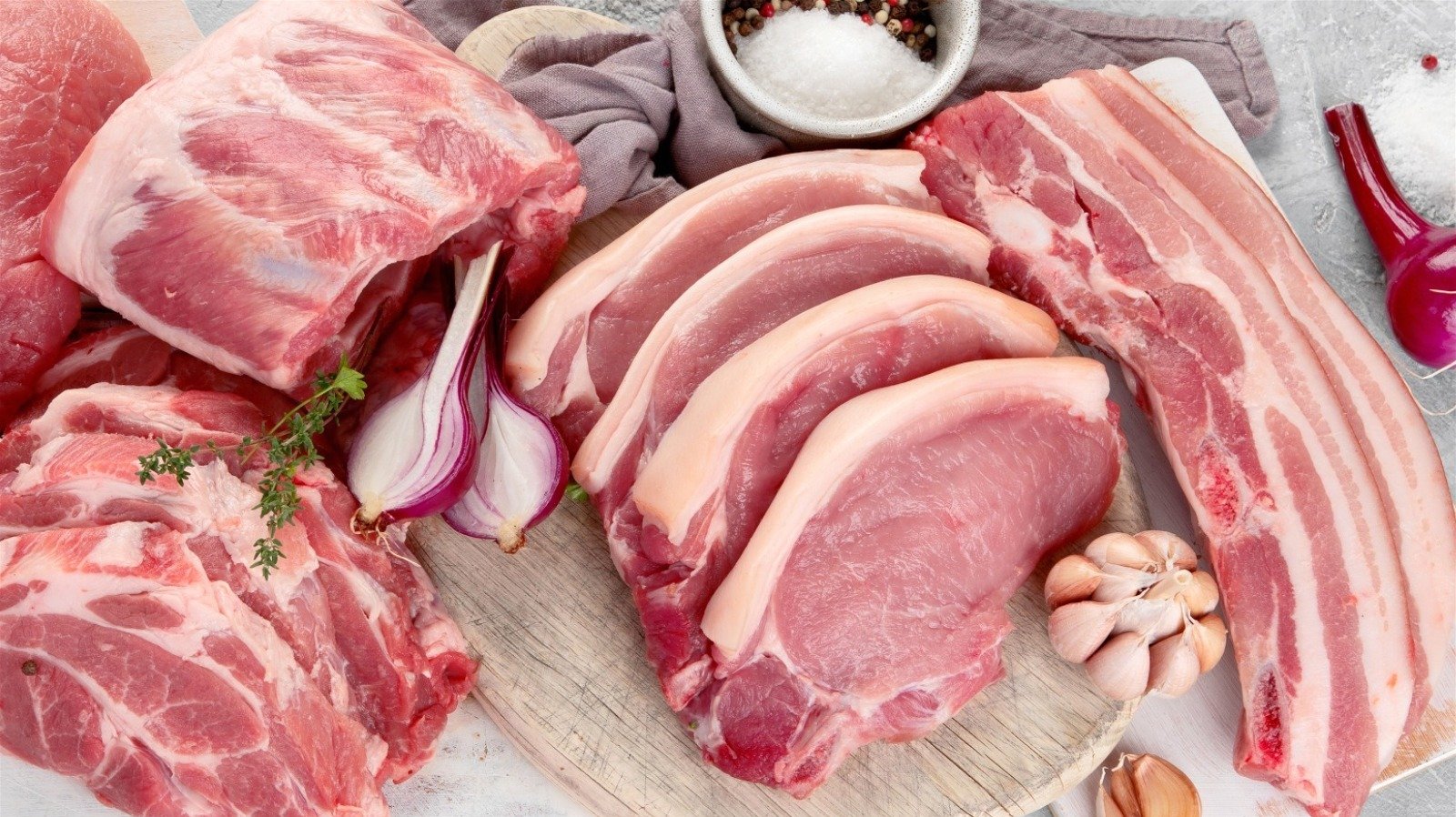
Mexico has begun exporting pork products to the Philippines, securing a new commercial foothold in Southeast Asia after Philippine authorities formally recognised the country’s meat inspection system.
The inaugural shipment comprised 22 tonnes of pork fat from the federally inspected facility of Comercializadora Porcícola Mexicana (Kekén), located in Tixpéhual, in the state of Yucatán. The consignment departed through the Port of Progreso, bound for North Manila, marking the first such export from Mexico to the Philippine market.
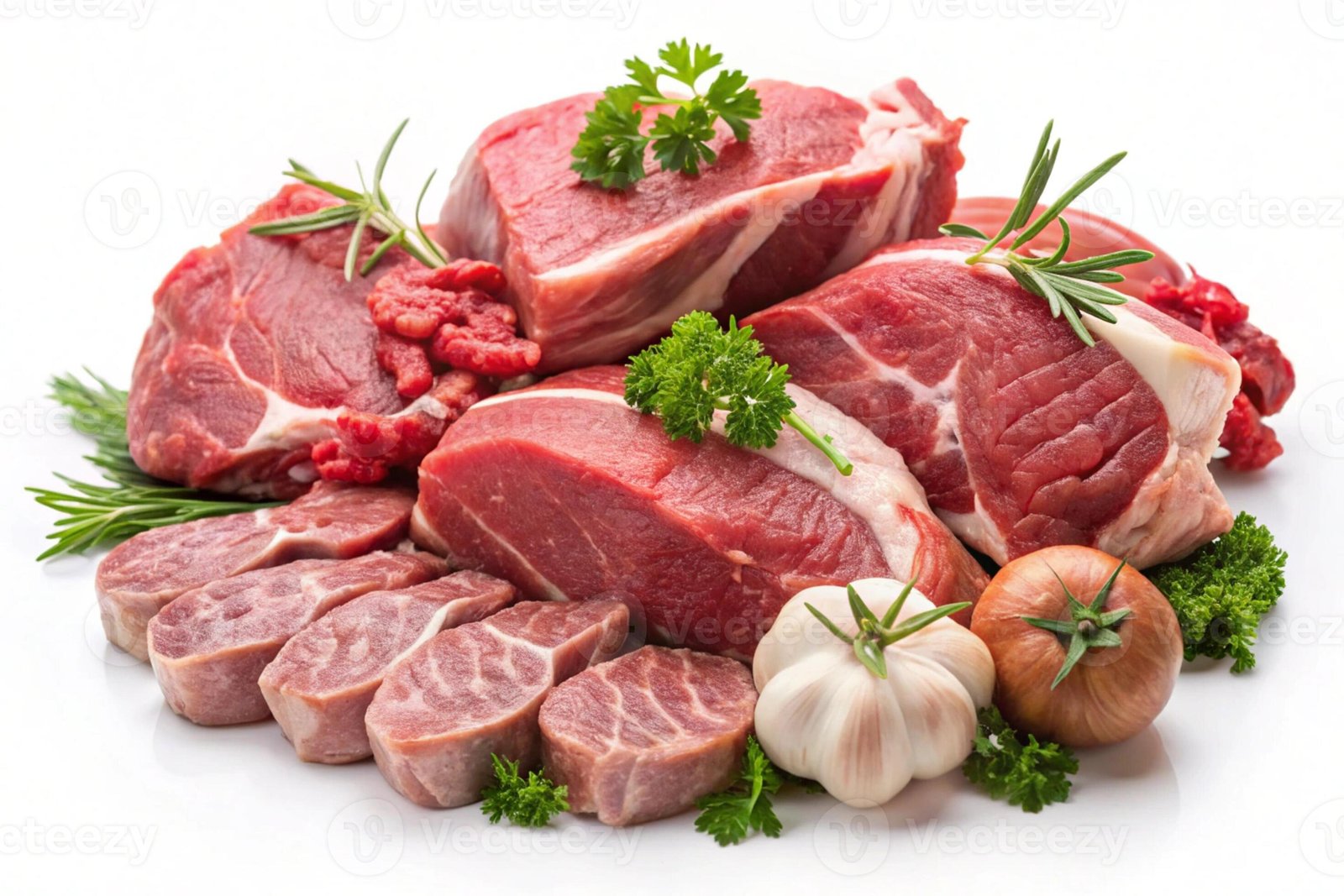
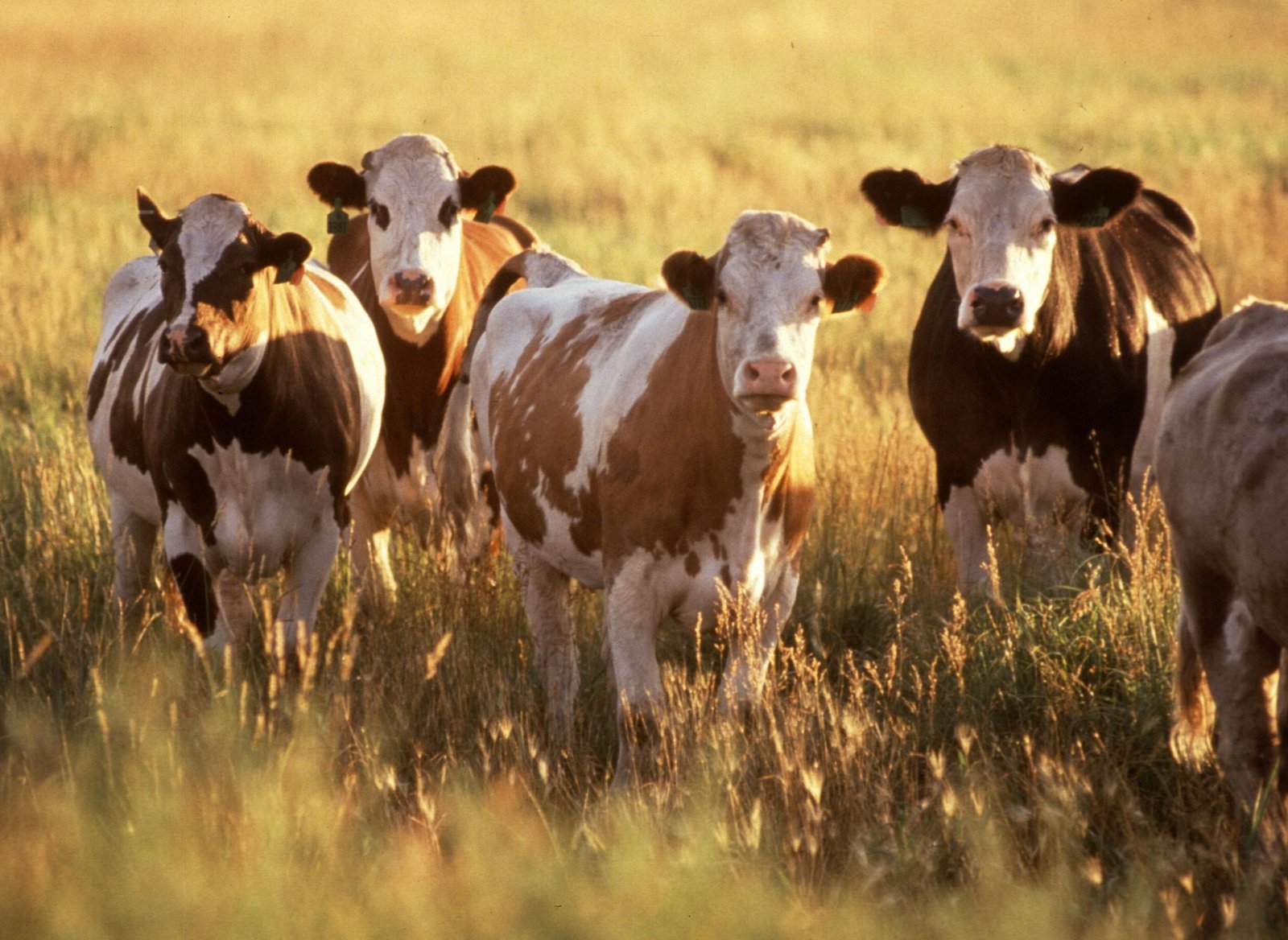
The significance of the development, however, extends beyond the initial consignment. Recognition of Mexico’s meat inspection system by Philippine sanitary authorities has opened access for a broader range of products from authorised Federal Inspection Type (TIF) establishments. These include pork and beef, offal, and other edible by-products from both species.
The market opening follows nearly a decade of negotiations, with the first efforts dating back to 2017. Mexico’s Ministry of Agriculture and Rural Development said the breakthrough was achieved through sustained technical coordination involving federal and state authorities, producers and private-sector exporters.
Yucatán has become the first Mexican state authorised to export pork products to the Philippines. The development strengthens the state’s position as an important production and export base within Mexico’s livestock sector. In 2025, Yucatán ranked fourth among Mexico’s pork-producing states, recording output of 243,169 tonnes, equivalent to 11.47 per cent of national production. The value of its pork production reached 18.426 billion pesos.
The Philippines represents a substantial demand opportunity. With a population of approximately 114 million, the country’s pork consumption is projected to reach 1.90 million tonnes in 2027, making access to its market strategically relevant for exporters seeking to diversify destinations and reduce dependence on established trade channels.
For Mexican processors, the opening also offers an opportunity to improve commercial returns through a wider product portfolio. Access for offal and edible by-products, alongside conventional meat cuts, allows exporters to serve different segments of demand and extract greater value across the meat-processing chain.
Mexico currently has 443 TIF-certified establishments across 29 states, of which 149 are authorised to export. This inspection and certification infrastructure provides the institutional foundation for expanding access to overseas markets, although the scale of future shipments will depend on commercial agreements, buyer demand and the ability of approved facilities to meet Philippine requirements.
The first shipment is therefore best understood as a regulatory and commercial milestone rather than an indication of immediate export scale. After years of technical negotiations, Mexico has secured an entry point into a major Asian pork market — and a broader platform from which its meat industry can pursue new trade opportunities.