Brazil has secured new export opportunities in Southeast Asia after concluding sanitary negotiations with Malaysia and Vietnam, opening the door for Brazilian pork, livestock breeding materials and bovine by-products in the two markets.
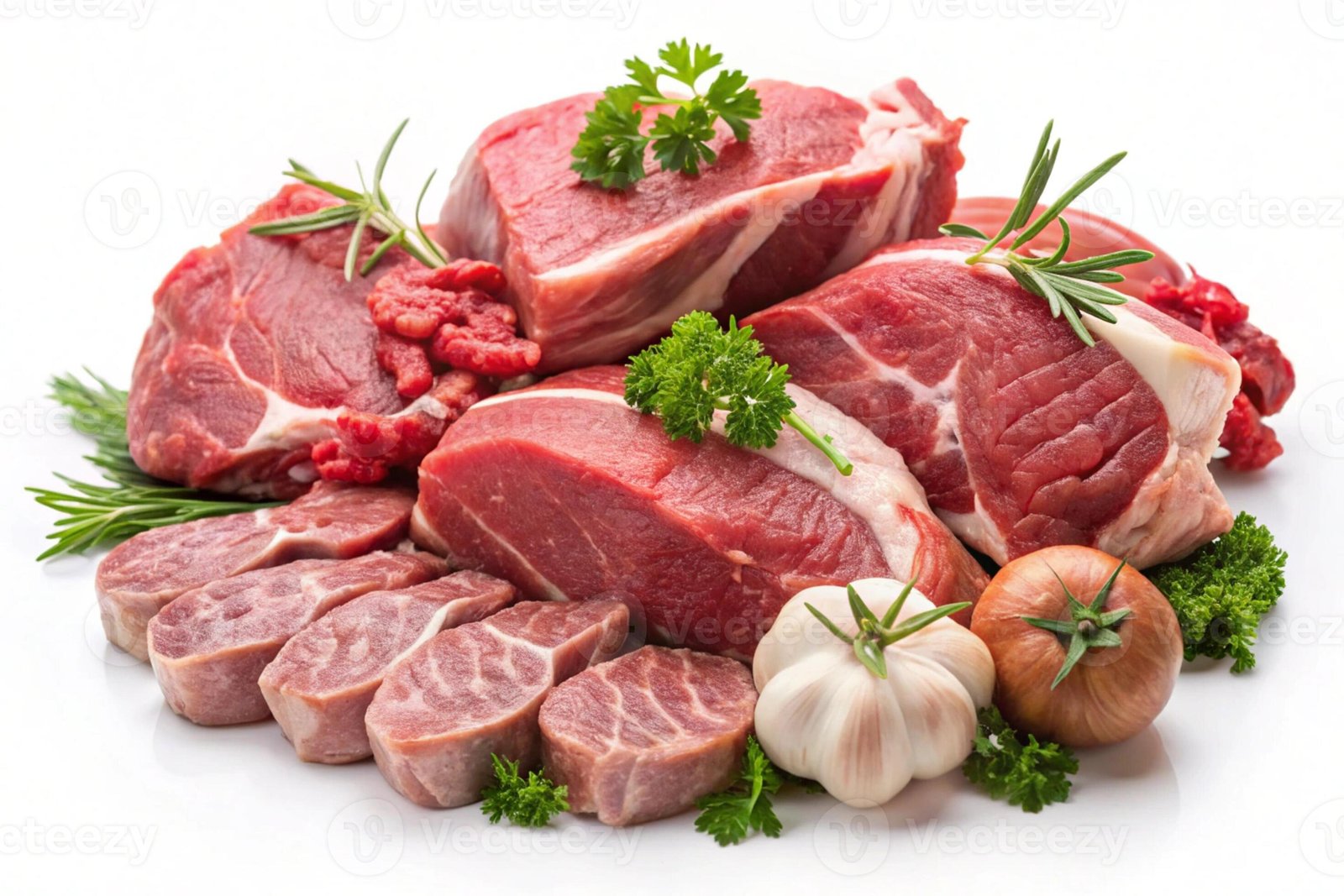
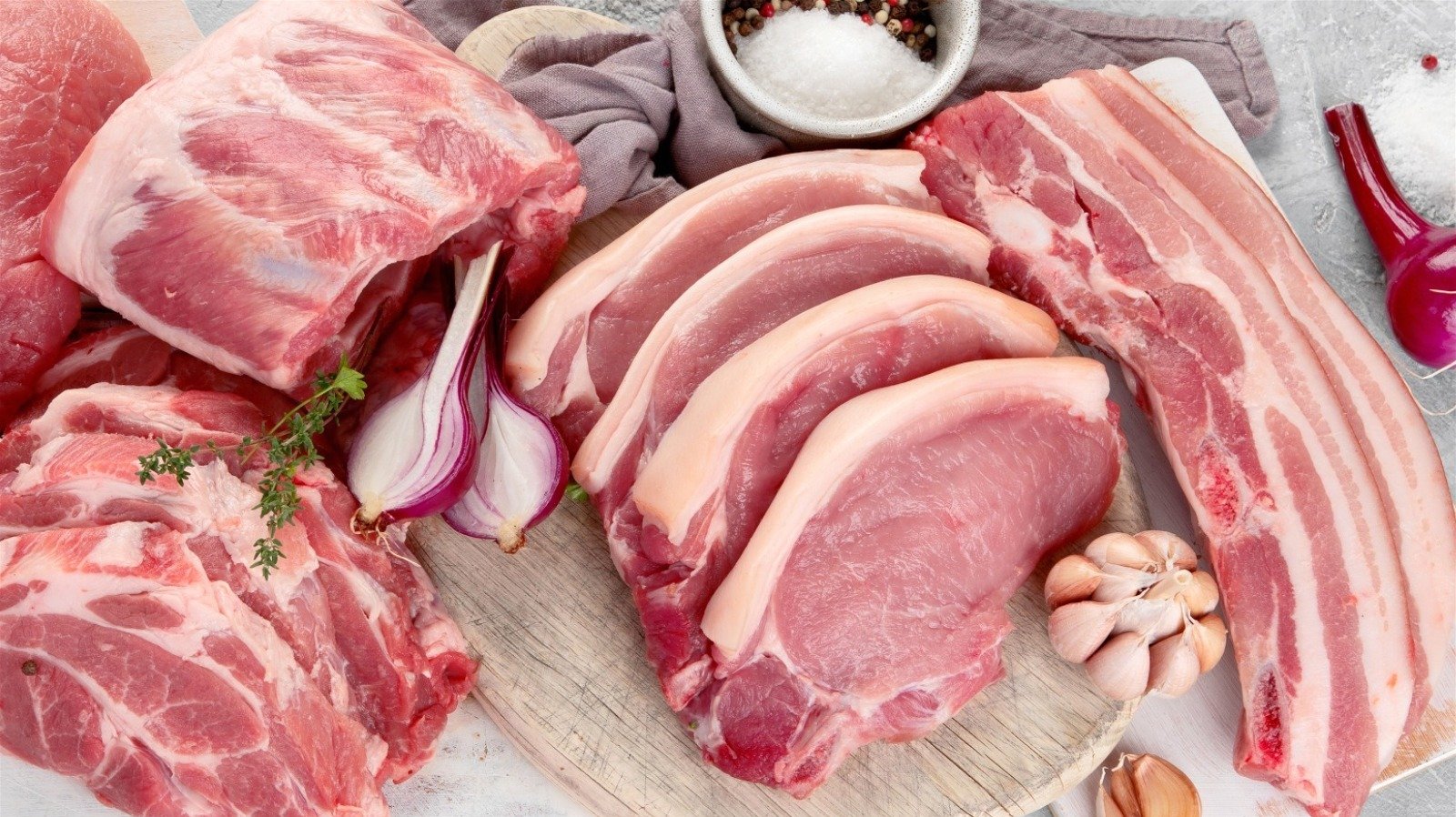
The approvals for Malaysia cover the state of Sarawak and include pork and pork products, bovine semen, live cattle for breeding, and bovine and buffalo embryos produced through both in vivo and in vitro methods. The agreement gives Sarawak an additional source of pork imports while creating a pathway for Brazilian animal genetics to enter the region’s livestock production system.
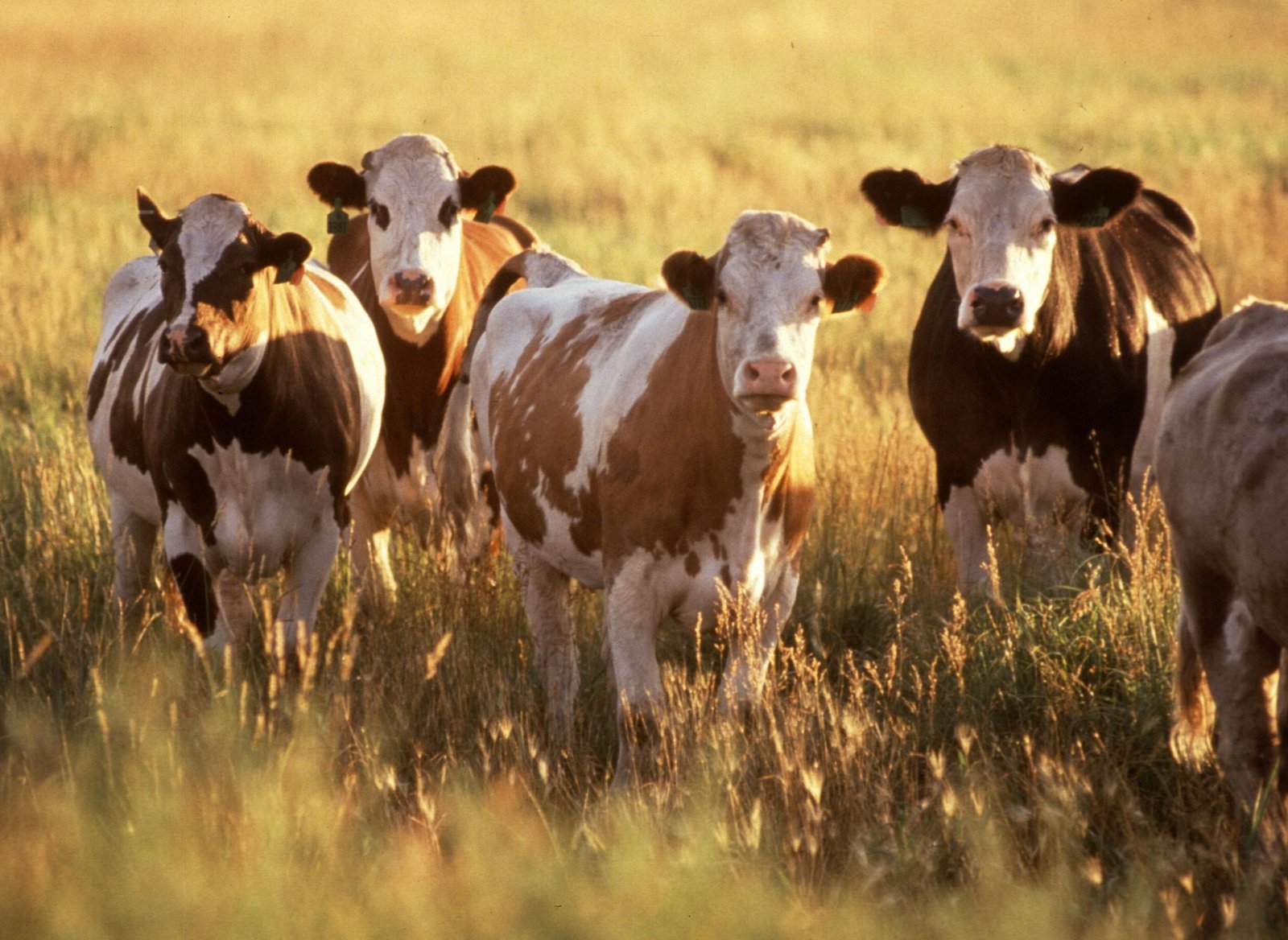
For Brazil, the opening extends its commercial reach beyond conventional meat exports. Access for semen and embryos offers opportunities for its livestock genetics industry, while the approval for breeding cattle could support the introduction of Brazilian genetic stock into local production systems. For Sarawak, the agreement broadens sourcing options for pork and potentially strengthens access to breeding technologies and livestock improvement programmes.
The commercial relationship already has a substantial foundation. Malaysia imported $1.1 billion worth of Brazilian agricultural products in 2025, underlining the importance of the market to Brazil’s wider agricultural trade.
Brazil has also secured approval to export bovine red offal to Vietnam, creating another outlet for its livestock processing industry. The authorisation expands the range of bovine products that Brazilian exporters can supply to a market that imported $3.5 billion worth of Brazilian agricultural goods in 2025, placing it among Brazil’s five largest agricultural export destinations.
The approval is significant for the commercial utilisation of livestock production. Access to markets for offal and other secondary products can help processors diversify revenue streams and improve the value recovered from each animal, particularly in markets where demand extends beyond conventional meat cuts.
The latest agreements form part of Brazil’s broader push to diversify export destinations and secure regulatory access for a wider range of agricultural products. According to Brazil’s Ministry of Agriculture and Livestock, the country has secured 728 market openings across 100 destinations since the beginning of 2023, reflecting sustained efforts by its agriculture and foreign affairs authorities to negotiate sanitary protocols and expand international trade opportunities.
The developments in Malaysia and Vietnam therefore represent more than two additional export permissions. They illustrate Brazil’s strategy of building market access across multiple segments of the livestock economy — from pork and breeding genetics to higher-value and secondary bovine products.