Mergers and acquisitions (M&A) are playing an increasingly important role in reshaping the global biocontrol industry. In a more mature and competitive market, major strategic groups are showing growing interest in acquiring established biological companies, product portfolios and technologies, while investors are becoming more selective in their approach to business opportunities and capital allocation.
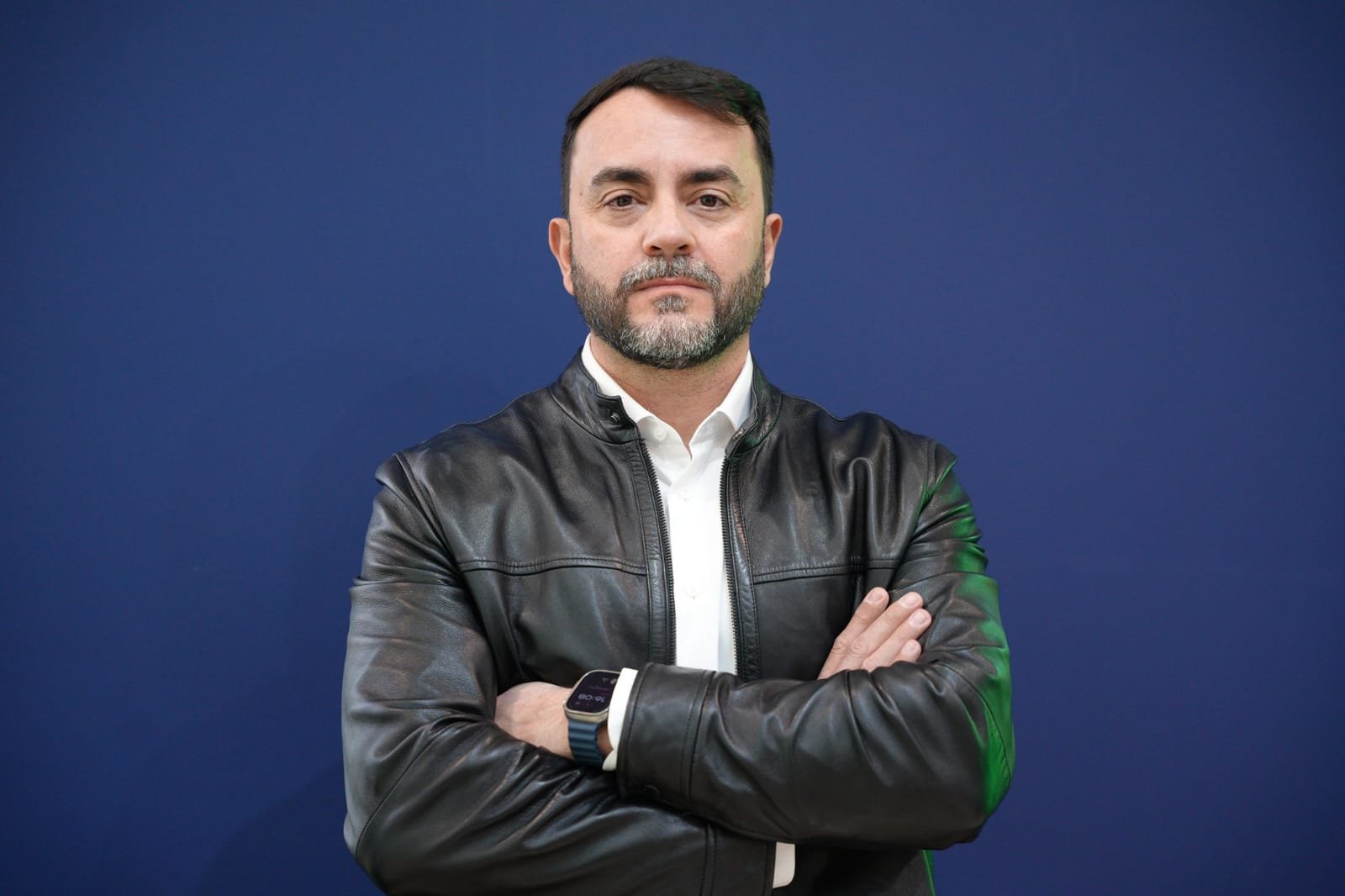
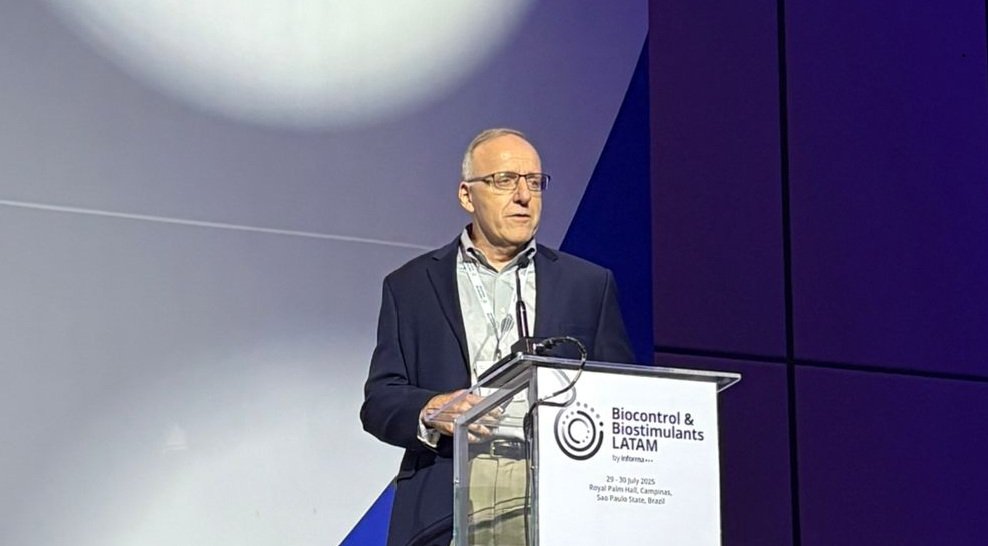
This will be one of the key topics addressed by Mark Trimmer, Ph.D., President and Founding Partner of DunhamTrimmer, at the Biocontrol Summit, which will take place next week in Sacramento, California, alongside the World Biostimulant Congress. Under the title “Biocontrol Boom – Navigating Growth, Investment, and M&A in a Maturing Market”, Trimmer will examine the evolution of corporate transactions and changing investment strategies across the biologicals industry.
Data tracked by DunhamTrimmer show that the number of agreements involving biocontrol, biostimulants and biofertilizers fell from 82 in 2022 to 62 in 2025. The decline, however, was not uniform. While distribution agreements decreased from 29 to 24 and research, development and manufacturing partnerships dropped from 30 to 16, M&A transactions, joint ventures and investment deals remained relatively stable, ranging from 22 to 25 annually.
Rather than simply reflecting a slowdown in business activity, the figures point to a shift in the nature of transactions. According to Trimmer, a significant share of the deals currently tracked by the consultancy involve M&A, rather than traditional venture capital or private equity investments.
“As the market matures, companies need to build competitive advantages that go beyond discovering a new microorganism or developing an innovative technology. For a strategic buyer, value also lies in manufacturing capabilities, consistent product quality, regulatory registrations, commercial presence and relationships with growers,” Trimmer is expected to emphasize.
This trend is linked to the increasing commoditization of certain biological product categories. As competition expands and pricing pressure intensifies, particularly in markets such as the United States, Western Europe and Brazil, differentiation is no longer based solely on the active ingredient or microorganism. Proprietary formulations, manufacturing consistency, production capacity at scale, regulatory dossiers, technical support and access to distribution channels are becoming decisive competitive advantages.
Strategic players drive market activity
A series of recent transactions illustrates the growing interest of major corporate groups in established biological assets and technology platforms. One of the most significant moves in 2026 was BASF's acquisition of AgBiTech in March, involving the transfer of the company's baculovirus-based insect control business from private equity fund Paine Schwartz to the German multinational. The financial terms were not officially disclosed, although market estimates cited in the presentation put the enterprise value at approximately $145 million.
Another example was Frontera Ag's acquisition of PlantSustain, also in March. In the pest control technology segment, US-based Suterra, part of the Wonderful Company group, acquired product lines and research and development assets from Vestaron, a company specializing in peptide-based solutions.
Also in 2026, DVC Partners acquired a majority stake in Spain-based Kimitec, which operates in the biostimulant and biocontrol markets. In August, Germany's EW Group completed its acquisition of French company Olmix, which specializes in animal and plant health solutions. Industry media reported a valuation of between €400 million and €450 million, equivalent to approximately 12 times the company's EBITDA.
Brazil is also directly involved in this consolidation trend. In October 2026, Belgium-based BioFirst completed the acquisition of the remaining 14.7 per cent stake in Biotrop, previously held by minority investors, including private equity fund Aqua Capital and founder Antonio Zem. The transaction completed the process that began in 2023, when BioFirst acquired approximately 85 per cent of the Brazilian company. The value of the final transaction was not disclosed.
For Trimmer, the presence of strategic buyers and the exit of private equity funds from investments made in previous years are important characteristics of the current consolidation cycle. The trend extends beyond full company acquisitions: purchases of product portfolios, research assets, specific technologies and business units are also emerging as options for groups seeking to expand their capabilities in biologicals more rapidly.
Valuations increasingly depend on proven assets
The changing M&A environment is also reflected in how companies are valued. Buyers are paying closer attention to revenue quality, profitability and operational maturity.
Data from Capstone Partners presented by DunhamTrimmer indicate that the average enterprise value-to-EBITDA (EV/EBITDA) multiple in agricultural input transactions rose from 8.9 times in 2022–2023 to 12 times between 2024 and year-to-date 2026. Over the same period, the EV-to-revenue multiple declined from 2.8 to 2.4 times. These indicators cover the agricultural inputs sector as a whole, including fertilizers and chemicals, and are not specific benchmarks for biocontrol companies.
Factors that can support higher valuations include completed regulatory registrations, scaled manufacturing capabilities, differentiated technology, consistent field performance data and established market access.
“Buyers are interested in assets that reduce risk and accelerate their entry into, or expansion within, specific segments. A company with registered products, industrial capacity, field data and an established commercial structure offers much greater security than a platform that still needs to turn its technology into a business,” Trimmer is expected to explain.
The analysis will also address the gap between buyers' and sellers' expectations following the high valuations assigned to startups in early-stage investment rounds between 2016 and 2023. As the focus on profitability increases, a company's actual ability to generate returns is carrying more weight than revenue growth projections alone.
Startups face a more selective funding environment
Trimmer is also expected to describe the current funding landscape as a two-speed market. Established companies with revenue, registered products and manufacturing capacity continue to attract strategic buyers and investors. Early-stage startups, particularly those without commercial sales, are facing greater difficulties in raising capital.
Data from PitchBook included in the presentation show that global venture capital funding in agtech reached $4.6 billion across 378 deals through September 2026. However, investor exits through venture capital transactions fell to just four in the third quarter, down from 15 in the previous quarter and the lowest quarterly figure since 2017.
By contrast, the broader segment encompassing biologicals, pollination and novel crop inputs and protection attracted $407 million across 27 deals in the third quarter of 2026, according to CropLife data, compared with $57.7 million across 19 deals in the previous quarter. This category includes businesses beyond biocontrol and therefore does not represent the biocontrol market alone.
According to DunhamTrimmer, capital has not disappeared, but is being allocated more selectively. For emerging companies, the recommendation is to focus resources on markets and crop protection challenges where they have a genuine competitive opportunity, involve growers from the early stages of product development and build commercial strategies aligned with the economic realities of farming.
“For startups, the most realistic path is to build businesses that can become attractive to strategic buyers. That means developing products with proven performance, completing regulatory processes, establishing manufacturing capabilities and creating a clear route to market. Funding needs to be tied to tangible results, rather than simply sustaining an operating structure,” Trimmer is expected to stress.
Trimmer's presentation will follow the launch of DunhamTrimmer's new Global Biocontrol Market Report. The consultancy will also have a booth at the World Biostimulant Congress in Sacramento, where it will welcome clients, partners and industry professionals interested in the study. Manel Cervera, Managing Partner at DunhamTrimmer, will also take part in the program as a speaker, with a presentation titled “Global market trends and global analysis for 2026 and beyond”.