BASF Agricultural Solutions and the International Rice Research Institute (IRRI) are extending their scientific collaboration on sustainable rice production, moving the focus from reducing methane emissions to the more complex question of how climate-smart practices affect soil health and long-term productivity.
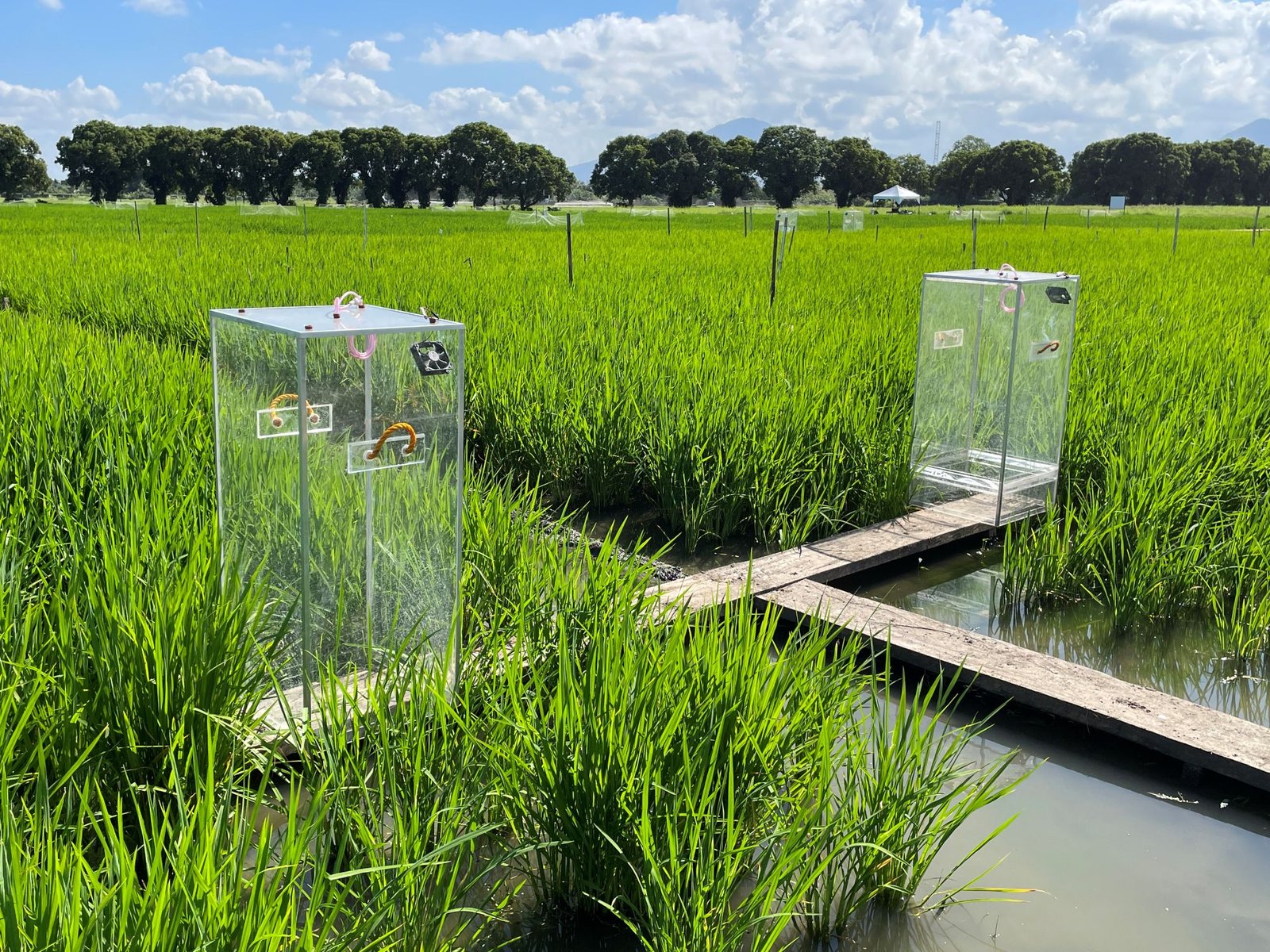
The next phase of the multi-year Optimizing Management for Reduction of Greenhouse Gases in Rice (OPTIMA Rice) programme will examine soil carbon and nitrogen dynamics, carbon storage and the potential role of biochar. The research builds on field evidence from the first phase, which identified practical pathways to cut methane emissions while reducing water use without compromising rice yields.
Launched in 2024, OPTIMA Rice combines BASF’s experience in translating agricultural practices into farm-level systems with IRRI’s rice research expertise. The central objective is to develop approaches that are not only environmentally credible but also practical and economically viable for farmers.
Methane reduction moves from theory to field practice
The first phase identified Alternate Wetting and Drying (AWD), enabled through Direct Seeded Rice, as a potentially effective route to reduce methane emissions from rice paddies.
By allowing fields to dry at controlled intervals rather than maintaining continuous flooding, the approach can significantly reduce methane emissions while lowering water use, according to the partners’ field research.
That finding has implications beyond emissions accounting. Farmers entering carbon farming programmes may need to change how they irrigate their rice fields to generate measurable emissions reductions. The research therefore addresses one of the critical gaps in agricultural decarbonisation: whether practices designed to deliver climate benefits can also work within the realities of farm management. Improved straw management offers another pathway for reducing methane emissions.
The next climate challenge is beneath the field
The second phase turns attention to what happens to the soil as water and crop-management practices change. Reducing methane is only one part of building a climate-smart rice system. If altered irrigation regimes improve emissions performance but adversely affect soil fertility or long-term productivity, the sustainability equation becomes less straightforward.
BASF and IRRI will therefore study the relationship between soil carbon and nitrogen, with particular attention to how changes in water management influence soil conditions over time. The partners will also investigate biochar as a complementary intervention. Biochar can potentially lock carbon into soils while improving soil fertility and structure, creating a possible bridge between emissions reduction, carbon storage and farm productivity.
From emissions cuts to a broader climate-smart system
The expansion of OPTIMA Rice reflects a broader shift in agricultural climate research. The question is increasingly moving from whether an individual intervention can reduce emissions to whether an entire production system can deliver climate benefits without sacrificing yields, soil health or farmer economics.
“Climate-smart rice systems must work on the farm, not just on paper,” said Marko Grozdanovic, Senior Vice President, Global Strategic Marketing & Sustainability, BASF Agricultural Solutions. “We know that adopting new approaches is not always easy for farmers. It takes trust, support, and proven solutions. By expanding our collaboration with IRRI, we are strengthening the scientific foundation needed to help farmers implement climate-smart rice practices with confidence, while deepening our focus on soils.”
For IRRI, the stakes extend beyond the rice sector. Rice is a staple for billions of people, making any change in production practices a balancing act between climate mitigation, food security and farmer livelihoods.
“Rice is a staple food for billions of people and transforming how it is grown is critical for both climate action and sustainable livelihoods for farmers,” said Yvonne Pinto, Director General of IRRI. “Through our continued collaboration with BASF, we are combining scientific rigor with tangible solutions. High-quality evidence and trusted collaborations are key to supporting farmers, protecting the environment and strengthening the global food system.”
Philippines trials, global relevance
The research is rooted in field trials in the Philippines, but its implications extend well beyond the country. The partners intend the findings to inform rice-growing systems across major markets, including China, India, Japan, Brazil and Italy, where differences in water availability, soil conditions, farm structures and production systems will determine how readily climate-smart practices can be adopted.
The next phase of OPTIMA Rice will therefore test a broader proposition: that sustainable rice production cannot be built around methane reduction alone. The longer-term opportunity lies in linking lower emissions with resilient soils, efficient water use and economically viable farming systems.