Japan is turning one of its largest farming regions into a testing ground for AI-powered agriculture, with the government designating 19 municipalities in Hokkaido’s Tokachi region, including Obihiro, as national strategic special zones.
The designation will allow the government to relax selected regulations governing agricultural automation, including rules for autonomous tractors operating on public roads and the use of drones for pesticide spraying. The move is aimed at helping farmers deploy labour-saving technologies at scale while encouraging technology companies to develop and commercialise new agricultural applications.
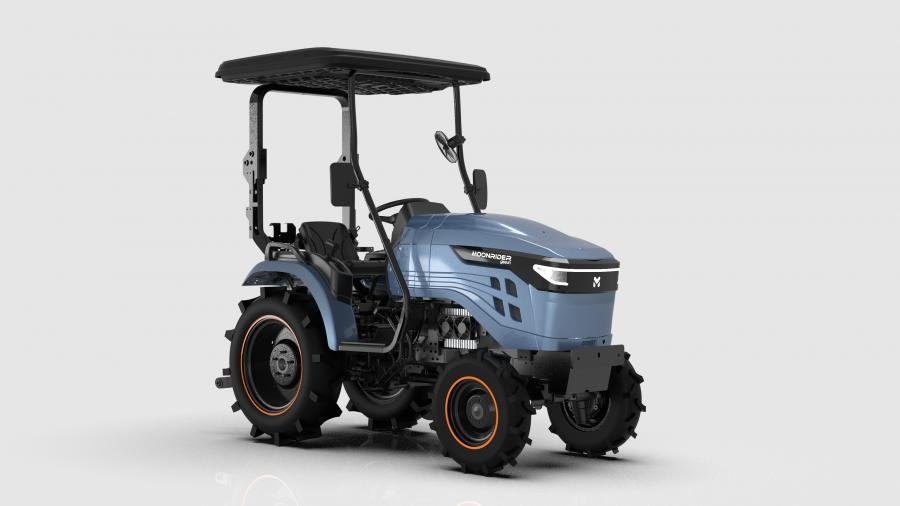
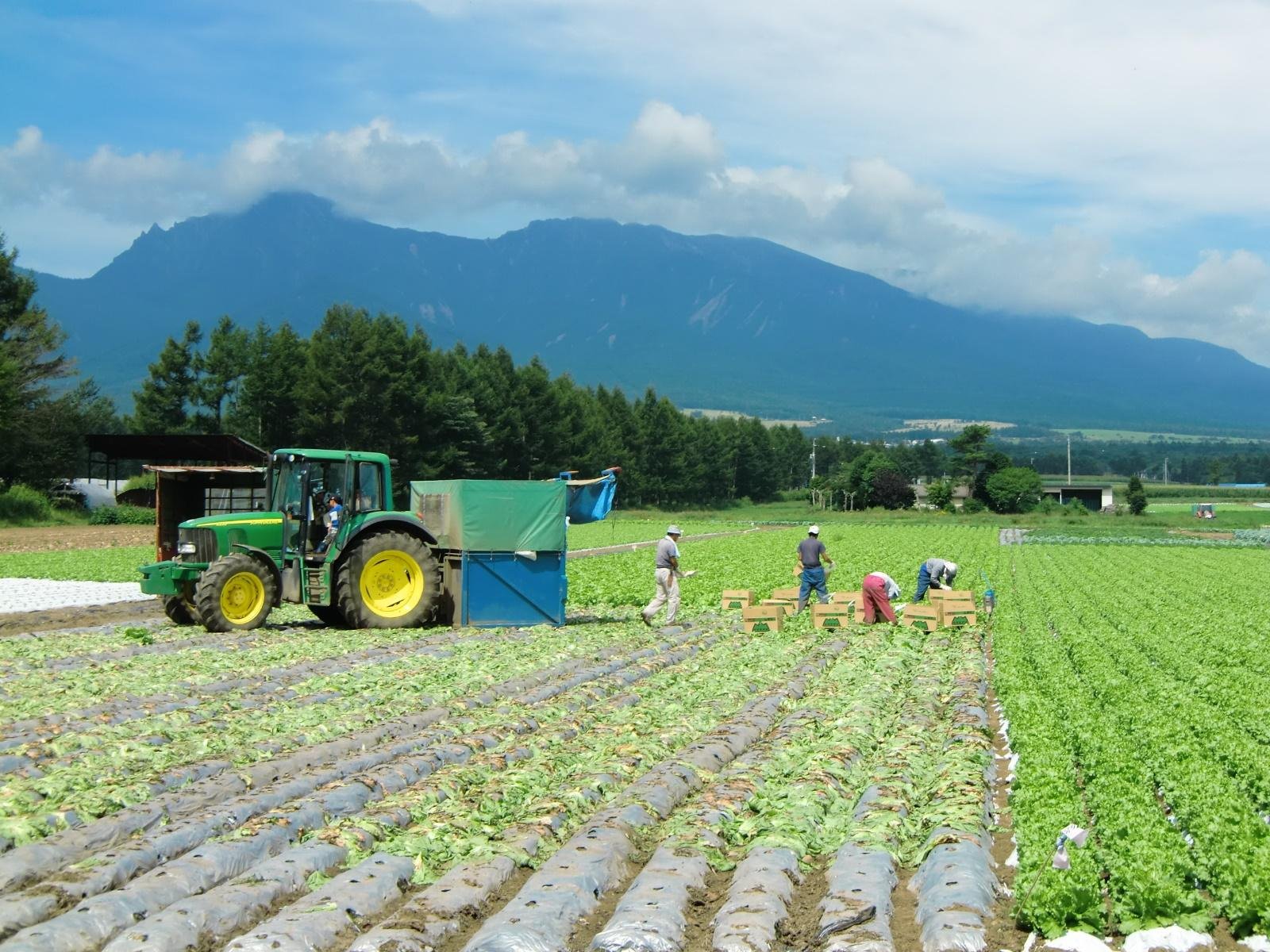
The Tokachi region is characterised by large-scale farms, making it particularly suited to automation. Under Japan’s existing rules, autonomous tractors must have a driver onboard when travelling on public roads, including when moving between warehouses and fields.
That requirement can limit the economic benefits of autonomous machinery on large farms. When several robot tractors are deployed simultaneously, each machine currently requires a person to accompany it on public roads.
Under the new special-zone framework, autonomous tractors will be permitted to travel on public roads without a driver when operating in a convoy with a crewed truck or other vehicle. Regulations governing the communications infrastructure required for uncrewed operations will also be eased, enabling the region to build the connectivity needed to support autonomous farm machinery.
The government said the initiative is intended to accelerate the practical deployment of AI and robotics in agriculture while creating an environment in which technology companies can participate more actively in the sector.
The Tokachi designation is also significant because it marks the first national strategic special-zone designation specifically aimed at AI-powered agriculture.
Japan has previously used the national strategic special-zone system to test regulatory exceptions in agriculture. In Niigata, for example, special-zone rules enabled farmers to open restaurants on agricultural land.
For Tokachi, however, the focus is on creating an ecosystem around autonomous farming, combining robotic machinery, AI, drones and communications infrastructure.
Obihiro Mayor Yosuke Ueno welcomed the designation, saying the government's recognition of Tokachi’s large-scale farming model would allow the region to serve as a demonstration site for AI-powered agriculture.
A Cabinet Office survey and demonstration project are scheduled to begin later in September, while a symposium on the initiative is planned in Obihiro in November.
Mitsugi Takenaka, mayor of Kamishihoro and chairman of an association representing municipalities across the Tokachi region, said the special-zone framework could help establish a new model of agriculture rapidly and enable its adoption beyond Japan.
The initiative comes as Japan seeks to address labour constraints in agriculture while maintaining productivity across a sector where large farms can benefit significantly from automation. By removing selected regulatory barriers, the government is effectively using Tokachi as a real-world testbed for how autonomous agricultural technologies can move from controlled fields to everyday farm operations.
The longer-term test will be whether the regulatory experiment can translate into commercially viable systems that can be adopted across Japan and, eventually, adapted for agricultural markets overseas.