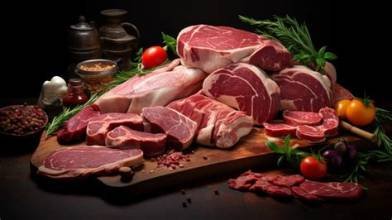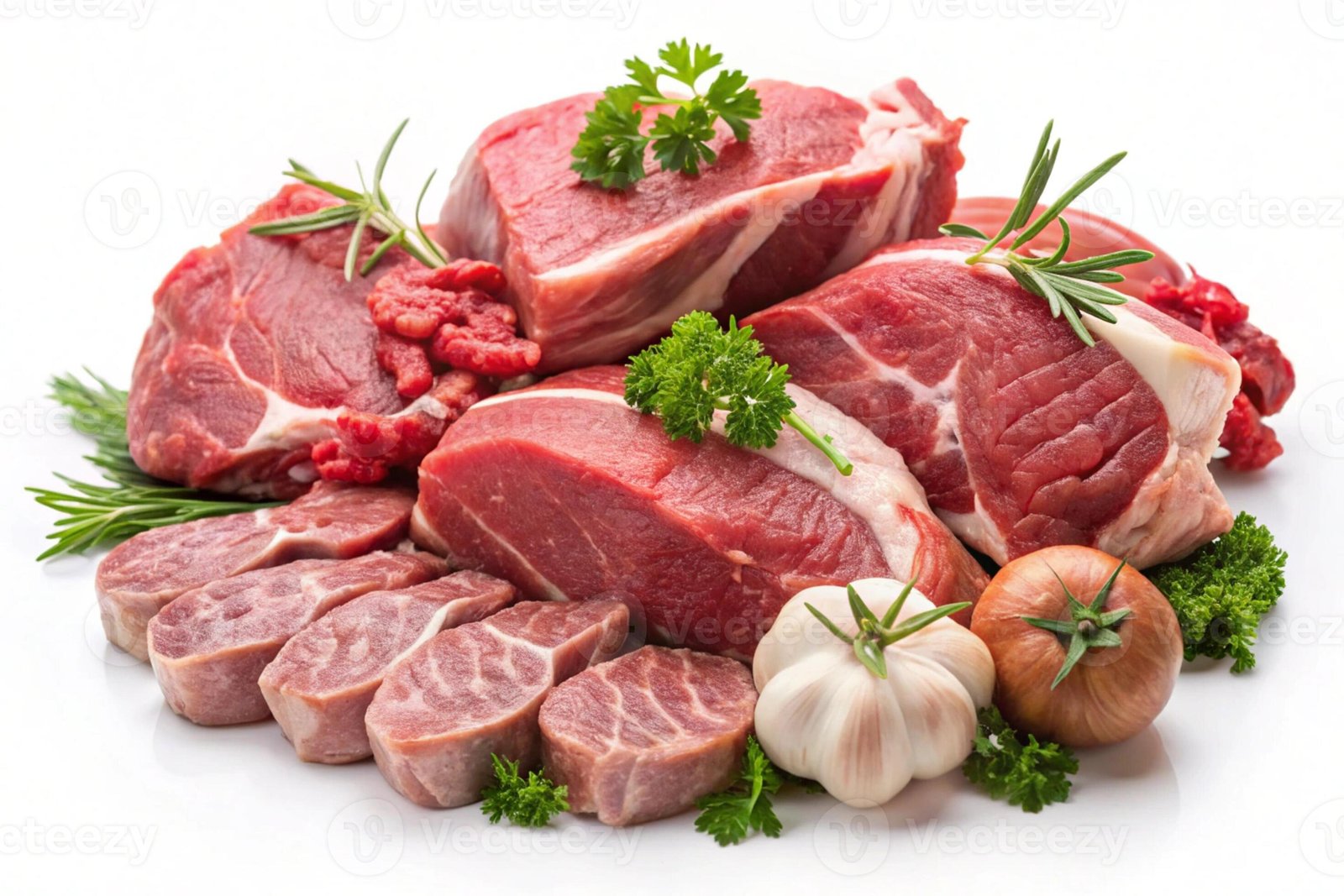
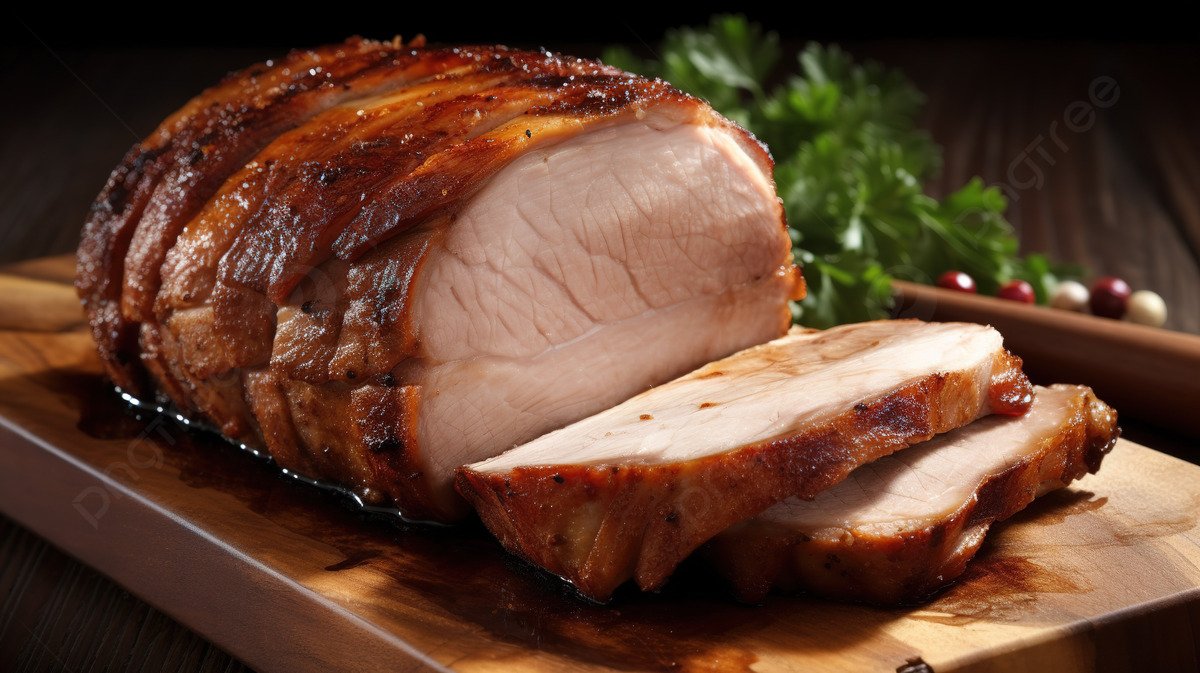
Thailand's proposed trade concessions to the United States are facing resistance from the domestic livestock industry, with the country's pig producers warning that opening the market to American pork could destabilise local production and intensify competitive pressures on farmers. The Swine Raisers Association of Thailand (SRA) has formally opposed the proposed expansion of US pork market access under the Agreement on Reciprocal Trade (ART), calling on the government to clarify the agricultural commitments and their potential implications for domestic producers before proceeding with import liberalisation.
The opposition comes against the backdrop of a broader trade framework aimed at expanding bilateral commerce. Although the detailed provisions of the ART have not been made public, US President Donald Trump announced at the signing of a joint statement on November 17, 2025, that Thailand would eliminate tariffs on US exports and substantially reduce non-tariff barriers affecting several American product categories. These included vehicles, medical devices, pharmaceuticals, ethanol and poultry. Thailand was also expected to purchase an estimated additional $2.6 billion worth of US agricultural products.
For Thailand's livestock industry, however, the implications of expanding agricultural market access extend beyond trade volumes. The possibility of admitting US pork imports has raised concerns about domestic price stability, farm profitability and the long-term competitiveness of local pig production.
Domestic producers question the economics of pork imports
The SRA's central argument is that Thailand's existing pork production capacity is sufficient to meet domestic consumption requirements, with the industry also developing export markets in neighbouring countries.
Under these circumstances, the association believes that introducing additional overseas supplies could create pressure on an already established domestic production system. An increase in import availability could alter the balance between local output and market demand, potentially affecting prices received by Thai pig farmers.
The industry's concerns are compounded by the relatively high cost structure faced by domestic producers. Pig farming in Thailand operates under production requirements that restrict the use of growth-promoting substances, adding another dimension to the cost and competitiveness debate.
The association argues that local farmers should not be exposed to additional import competition without a clear assessment of the differences in production costs, regulatory requirements and market conditions between Thailand and the United States. For smaller and independent pig producers, any sustained pressure on farm-gate prices could have implications for operating margins and the viability of continued production.
Trade commitments raise questions over agricultural access
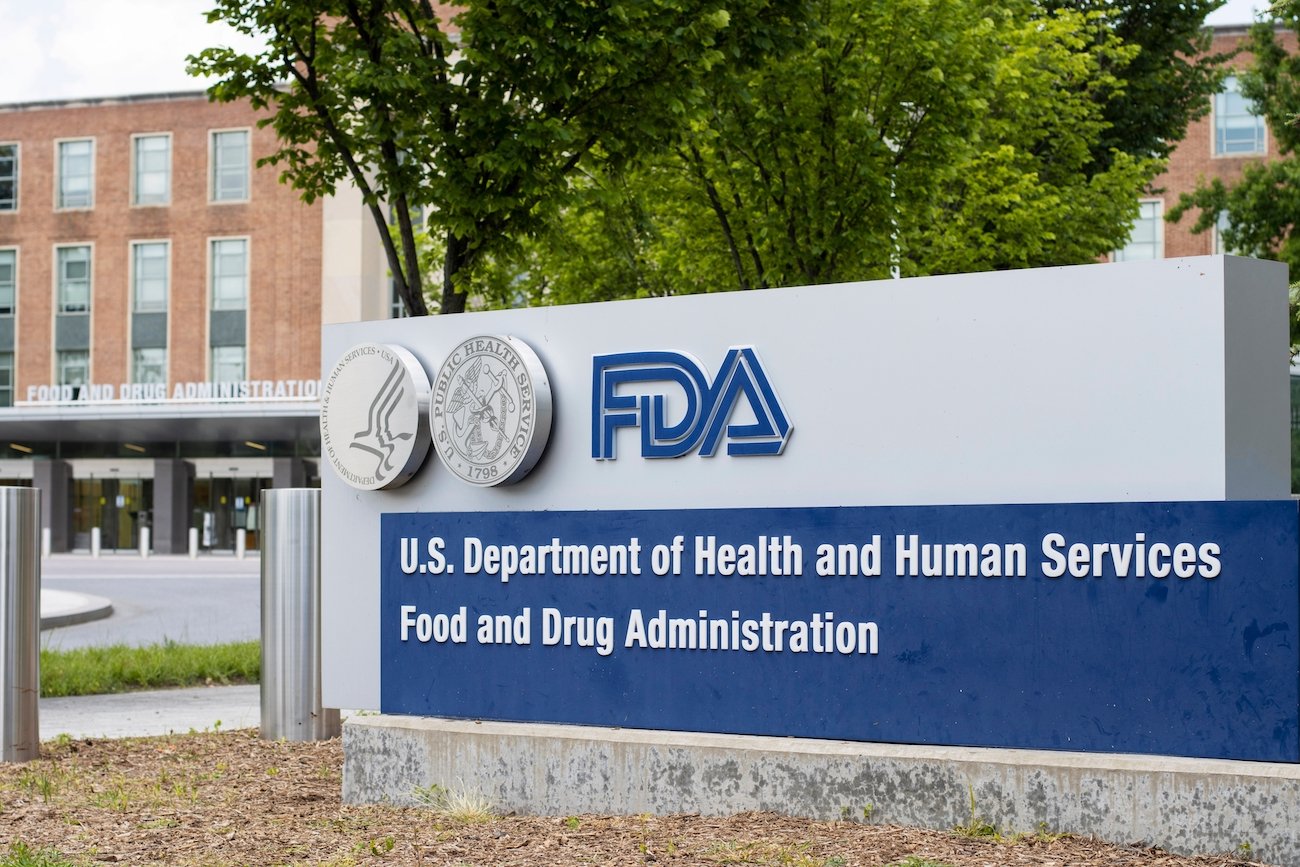
The debate over pork imports is linked to commitments outlined in the joint statement establishing the framework for ART negotiations, dated October 26, 2025. The framework indicated that Thailand would work towards addressing barriers affecting American food and agricultural products. One of the proposed measures involved accelerating market access for meat and poultry products certified by the US Department of Agriculture's Food Safety and Inspection Service (FSIS).
Although the framework does not, by itself, establish the complete terms of pork market liberalisation, the reference to faster access for US-certified meat products has heightened attention within Thailand's livestock sector.
The SRA is seeking greater clarity on the scope of the commitments, particularly the categories of agricultural products covered and the concessions that Thailand may be expected to extend. For domestic producers, the concern is that trade negotiations could introduce competitive pressures into sectors where local farmers have already invested substantially in production infrastructure, biosecurity and regulatory compliance.
Corn and soybean imports proposed as an alternative
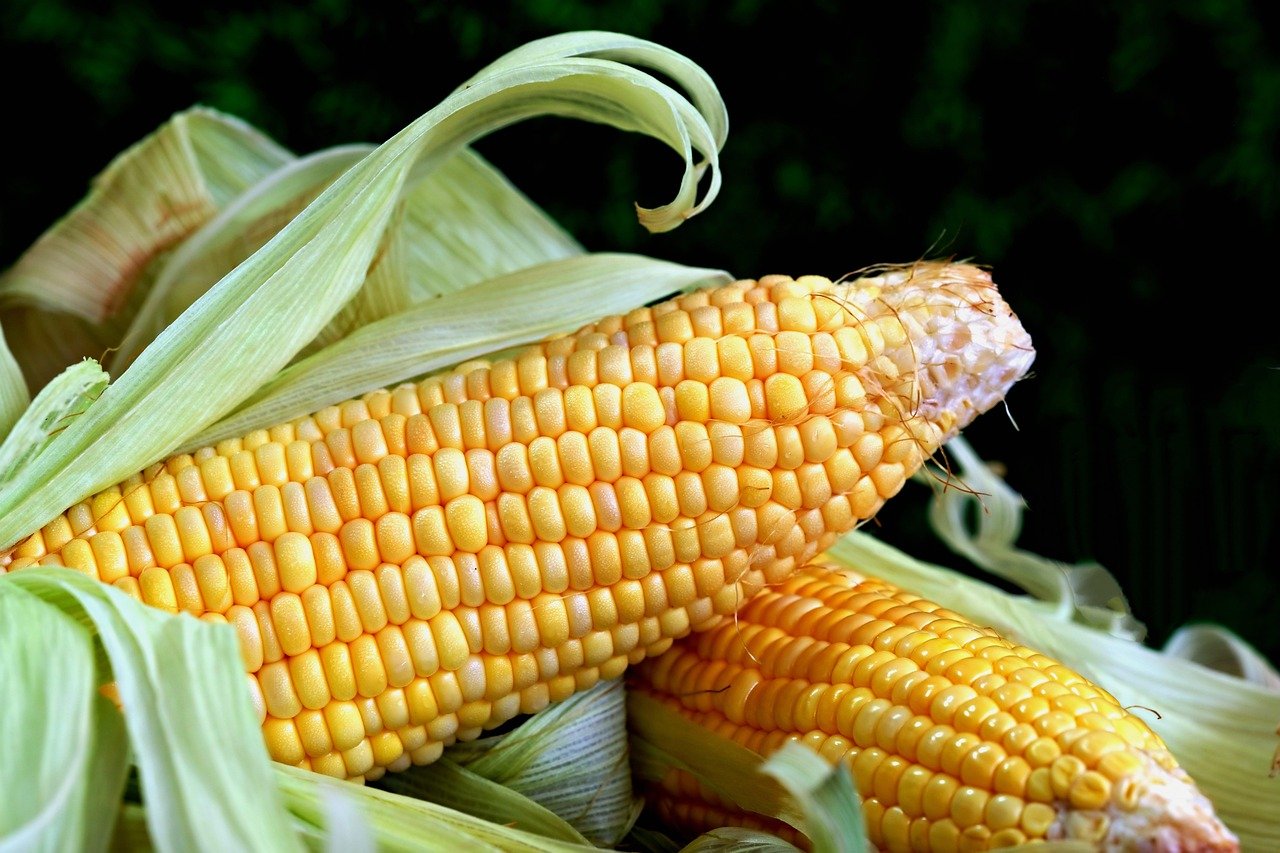
Rather than opposing agricultural trade with the United States altogether, the SRA has suggested redirecting potential import commitments towards commodities that could support Thailand's domestic livestock industry. The association has identified corn, soybeans and soybean meal (SBM) as possible alternatives to additional pork imports.
These commodities are important components of animal feed production, making their availability and pricing commercially significant for the country's pig and poultry sectors. Greater access to imported feed ingredients could potentially help address input-cost pressures faced by livestock producers.
The proposal therefore seeks to distinguish between imports that support domestic agricultural production and those that could compete directly with locally produced meat.
Farmers demand transparency before trade concessions
The SRA has urged the Thai government to disclose the details of the proposed agreement, including the nature of the reciprocal commitments, the agricultural products involved and the potential consequences for domestic supply chains. The association also wants policymakers to assess the wider economic and social implications of opening sensitive agricultural markets to international competition.
The dispute highlights a recurring challenge in agricultural trade negotiations: balancing the benefits of greater market access and international commerce against the need to protect domestic production systems and farm livelihoods.
For Thailand, the issue is particularly relevant as its livestock industry seeks to strengthen export competitiveness while managing production costs and maintaining domestic supply stability. The eventual terms of the ART could therefore have implications extending beyond bilateral trade relations, influencing the economics of meat production, feed procurement and the country's broader agricultural value chain.
Until the agreement's detailed provisions are clarified, the proposed opening of the pork market is likely to remain a contentious issue between trade policymakers and Thailand's domestic livestock industry.