China has established a new national laboratory in Jiamusi aimed at addressing some of the structural constraints facing crop breeding in the country’s cold-region agricultural belt, from underused germplasm resources and lengthy breeding cycles to the shortage of breakthrough varieties.
The Key Laboratory of Northeast Germplasm Resources Innovation and Biological Breeding, under China’s Ministry of Agriculture and Rural Affairs, officially commenced operations in the suburbs of Jiamusi in late August. The platform is the first national key laboratory for the seed industry in the province to be led and built by a private enterprise, marking a new role for private-sector infrastructure in China’s national seed-industry strategy.
The laboratory builds on the Grain and Oil Crop Innovation Platform under the Yazhouwan National Laboratory, located in the Jiamusi Agricultural High-tech Zone. Its mandate is focused on the specific constraints of Northeast China, where climatic conditions, crop cycles and the scale of agricultural production create a distinct set of breeding challenges.
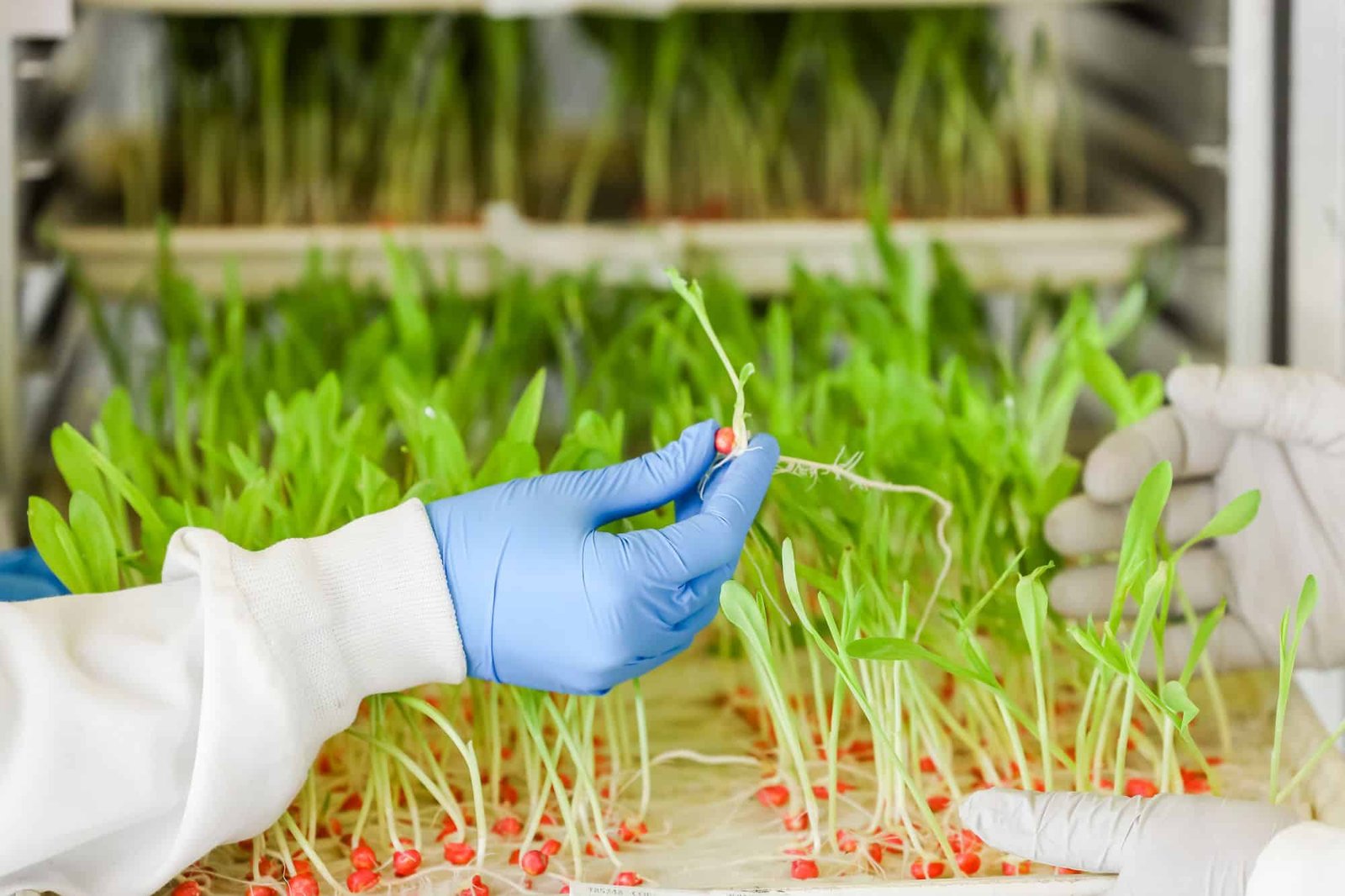
At the centre of the initiative is an attempt to compress the time between genetic discovery and commercial variety development. The platform is expected to bring 100 leading breeding experts from across China onto a collaborative platform, with the objective of substantially shortening the breeding and approval cycles for rice, corn and soybean varieties in the three northeastern provinces and one autonomous region.
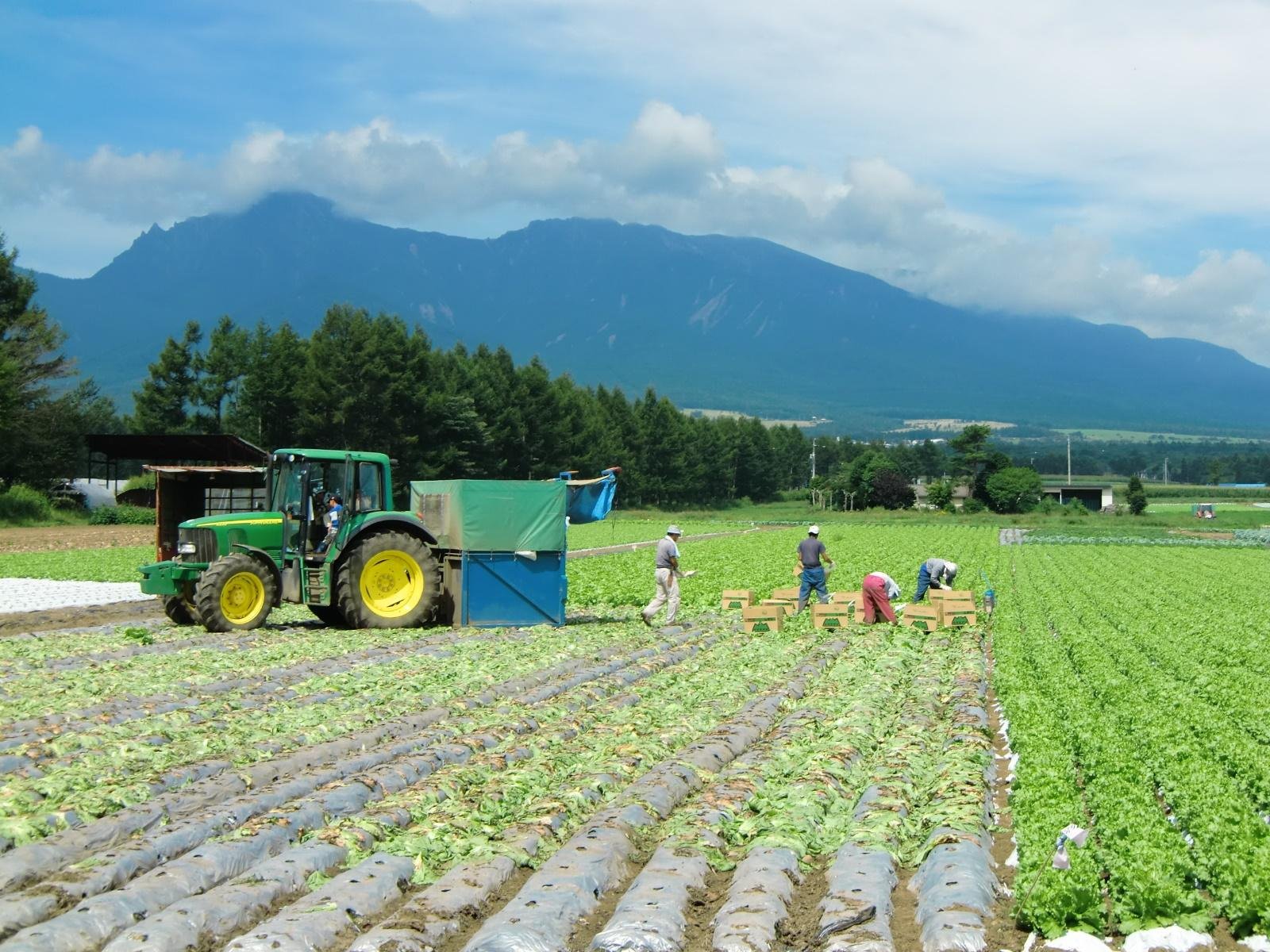
The emphasis on these three crops is strategically significant. Northeast China is one of the country's major grain-producing regions, and improvements in yield, quality and disease resistance can have an outsized effect when translated across its large cultivated area.
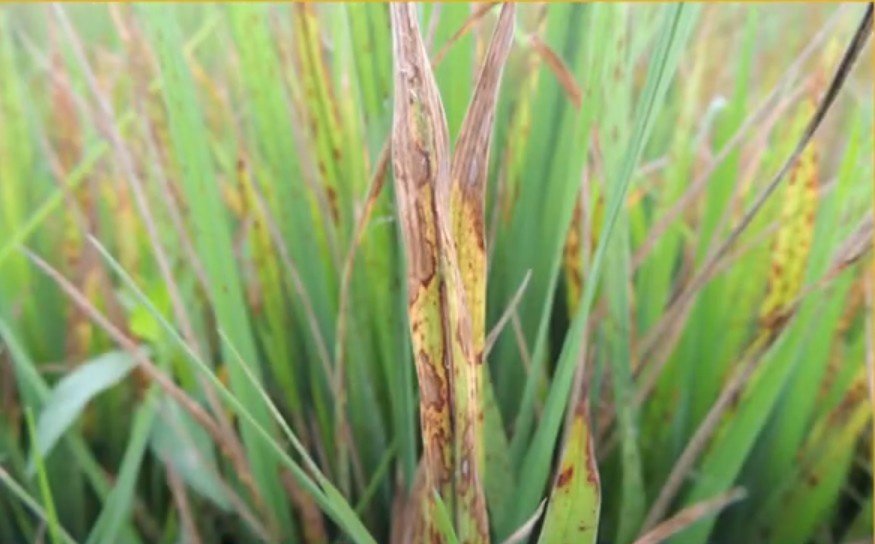
The laboratory has set a five-year target of screening 50 germplasm materials with traits including high yield, high quality and disease resistance, while creating 10 new germplasm resources. The platform is also expected to help drive an increase of more than 8 per cent in income per hectare.
The targets reflect a shift from simply conserving genetic resources towards making them more usable in breeding programmes. Germplasm collections can contain valuable traits, but their economic value depends on how efficiently those traits can be identified, incorporated into breeding pipelines and converted into varieties that farmers can adopt.
Jiamusi offers a particularly relevant base for that effort. Located in the core area of the Sanjiang Plain, the city combines large-scale agricultural production with cold-region black soil resources and an established seed-sector ecosystem.
The city's improved-variety breeding area currently remains stable at 46,666.67 hectares, while the sown area of major crops reached 1.27 million hectares in 2026. Improved varieties of major crops have achieved full coverage across the city, providing a large production base through which new breeding outcomes can potentially be evaluated and deployed.
Jiamusi also has a substantial local seed-industry network. The city is home to 97 seed enterprises, including two nationally certified A-level companies covering improved-variety breeding, propagation and promotion, as well as one nationally recognised crop seed-industry formation enterprise.
The local research and commercial breeding ecosystem has collectively developed 1,157 crop varieties, giving the new laboratory an existing base of genetic resources, breeding expertise and production networks to build on.
The creation of the laboratory comes as China continues to place greater emphasis on seed innovation as a foundation for agricultural productivity and food security. For Northeast China, the challenge is not simply to produce more grain, but to develop varieties better suited to its climatic conditions while reducing the time and cost required to bring new genetics into farmers' fields.
The Jiamusi platform therefore represents an effort to connect three parts of that equation—germplasm resources, biological breeding and large-scale agricultural deployment—within a single research and innovation system.