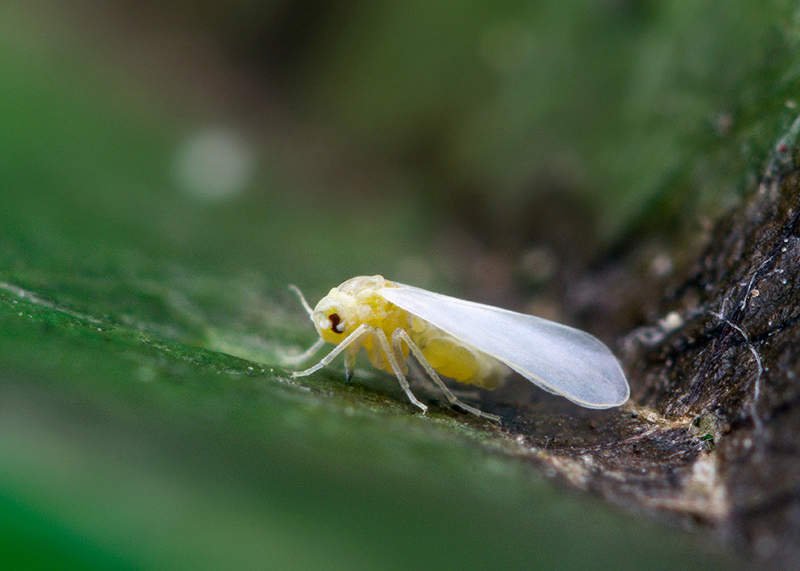
A new study has demonstrated how nanotechnology could help overcome one of the biggest hurdles facing RNA-based crop protection products, bringing environmentally friendly biopesticides a step closer to large-scale agricultural use. Researchers have developed a nanoparticle-assisted RNA interference (RNAi) delivery system that dramatically improves gene silencing in the destructive whitefly Bemisia tabaci, one of the world's most damaging crop pests.
The research centres on a C60/alkylpolyglucoside (C60/APG) nanocarrier designed to protect and transport double-stranded RNA (dsRNA), a critical component of RNAi technology. While RNAi has long been recognised as a promising alternative to conventional chemical pesticides, its commercial application has been constrained by the instability of dsRNA under field conditions, where sunlight, moisture and enzymes rapidly degrade the molecules before they can reach their targets.
The newly developed nanocarrier addresses that limitation by shielding dsRNA and improving its uptake by insects through host plants. According to the study, the technology enhanced gene silencing efficiency against two essential whitefly genes—chitin synthase (btCHS) and glucose-6-phosphate isomerase (btG6PI)—reducing their expression by approximately 90 percent, compared with reductions of about 70 percent and 60 percent, respectively, when dsRNA was applied without the nanocarrier.
The stronger gene suppression translated into measurable biological effects. Whiteflies exposed to the nano-enabled RNAi treatment showed significantly lower survival rates than insects treated with conventional dsRNA alone. Ten days after treatment, survival dropped to roughly 10 percent for insects targeted through the btCHS pathway and about 25 percent for those targeting btG6PI, compared with considerably higher survival in treatments without the nanocarrier.
Beyond reducing survival, the technology also disrupted the pest's development. Whiteflies that consumed plants carrying nano-delivered dsRNA exhibited reduced body size, slower larval growth and prolonged developmental stages, indicating that silencing the two target genes interferes with normal physiological processes required for growth and moulting. The researchers noted that these developmental abnormalities, together with increased mortality, reinforce the importance of btCHS and btG6PI as promising molecular targets for future RNA-based insecticides.
An important aspect of the research was demonstrating that the nanocarrier itself does not contribute to insect mortality. Experiments showed that the C60/APG nanoparticles displayed no detectable toxicity at the concentrations used, indicating that their primary role is to stabilise and transport dsRNA rather than act as an insecticidal agent.
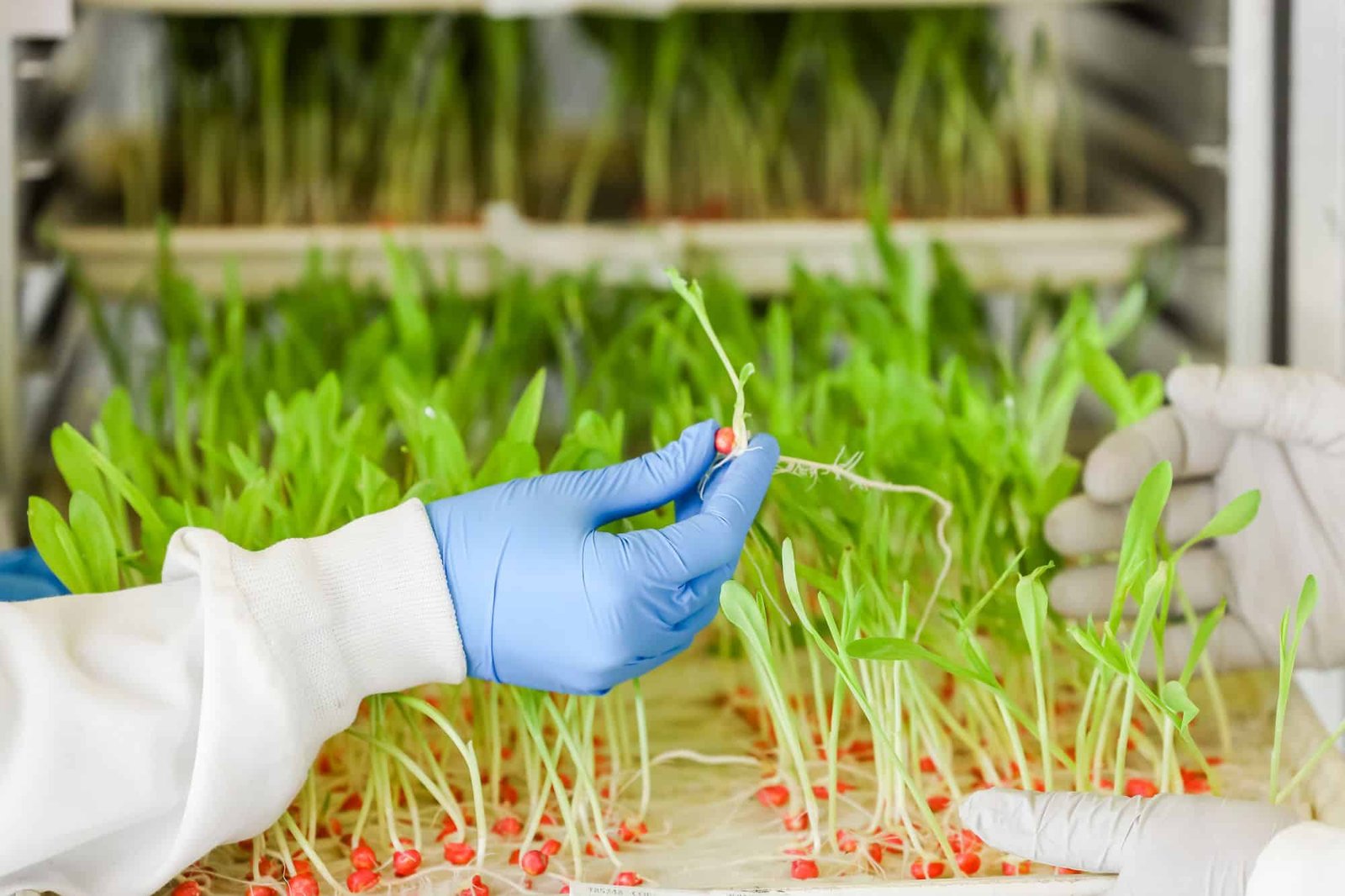
The study also confirmed that nanoparticle-bound dsRNA can move efficiently through tobacco plants after root application, allowing the RNA molecules to reach leaf tissues where feeding whiteflies ingest them. Fluorescence imaging showed substantially greater transport and accumulation of nano-delivered dsRNA than naked dsRNA, highlighting the nanocarrier's ability to improve delivery efficiency within plants.
Researchers believe the findings could have broader implications for sustainable crop protection. RNAi-based pesticides are increasingly viewed as an environmentally responsible alternative to conventional chemical insecticides because they target specific genes unique to pests while minimising impacts on beneficial organisms. However, effective delivery has remained one of the technology's biggest commercial barriers.
The authors argue that nanocarrier-assisted RNAi could help overcome those limitations by improving dsRNA stability, enhancing cellular uptake and enabling practical field applications through sprayable formulations. They also noted that careful sequence design and the rapid degradation of dsRNA in the environment are expected to minimise ecological risks, although additional field validation and assessments involving beneficial insects and soil microorganisms will be necessary before commercial deployment.
As global agriculture seeks alternatives to conventional pesticides amid rising resistance, tighter regulations and growing sustainability goals, the combination of nanotechnology and RNAi is emerging as one of the most promising frontiers in crop protection. By significantly improving RNA delivery and biological efficacy against Bemisia tabaci, the new platform provides an important proof of concept for the next generation of precision biopesticides and reinforces the role of advanced nanomaterials in shaping the future of pest management.
Access the full report here- https://www.mdpi.com/2075-4450/17/7/737