
In an exclusive AgroSpectrum interview, Eric Cheah, Head of Poultry, ASEAN, South Korea, Australia and New Zealand, Boehringer Ingelheim, examines how geopolitical disruptions, particularly those affecting major energy and maritime corridors, are reshaping the risk landscape for Asia-Pacific poultry. He explains why feed remains the dominant cost pressure, while rising energy, logistics and veterinary input costs add further strain to producers across ASEAN, South Korea, Australia and New Zealand. Cheah argues that although countries with stronger domestic feed capacity may have greater short-term resilience, no poultry market is completely insulated from global supply-chain pressures. He stresses that vaccination, biosecurity and effective flock-health management must remain priorities, as cutting disease-prevention investment can ultimately increase mortality, reduce productivity and undermine affordability. The interview highlights the growing convergence of feed security, energy security and biosecurity, with production efficiency becoming increasingly critical for maintaining resilient poultry systems. Cheah also positions poultry as a strategic food-security asset in the region, calling for stronger regional cooperation, supply-chain resilience and alignment among stakeholders to safeguard affordable protein supplies.
The Strait of Hormuz is traditionally viewed as an energy chokepoint, but with rising spillovers into feed grains, veterinary inputs, and logistics, is the global poultry industry now effectively being reshaped by energy geopolitics rather than agricultural fundamentals?
All industries are being affected by the geopolitics situation, and global poultry industry is of no exclusion. Rising logistics and energy costs impact all aspects of poultry production with feed accounting for the largest share of production costs. Veterinary related cost for farm operations are comparatively a much smaller component. That said, agricultural fundamentals still matter. Factors such as crop harvests, feed ingredient availability, and global supply and demand continue to play a major role in determining feed prices. While geopolitics can create short-term disruptions, the industry's long-term direction remains closely tied to these fundamentals.
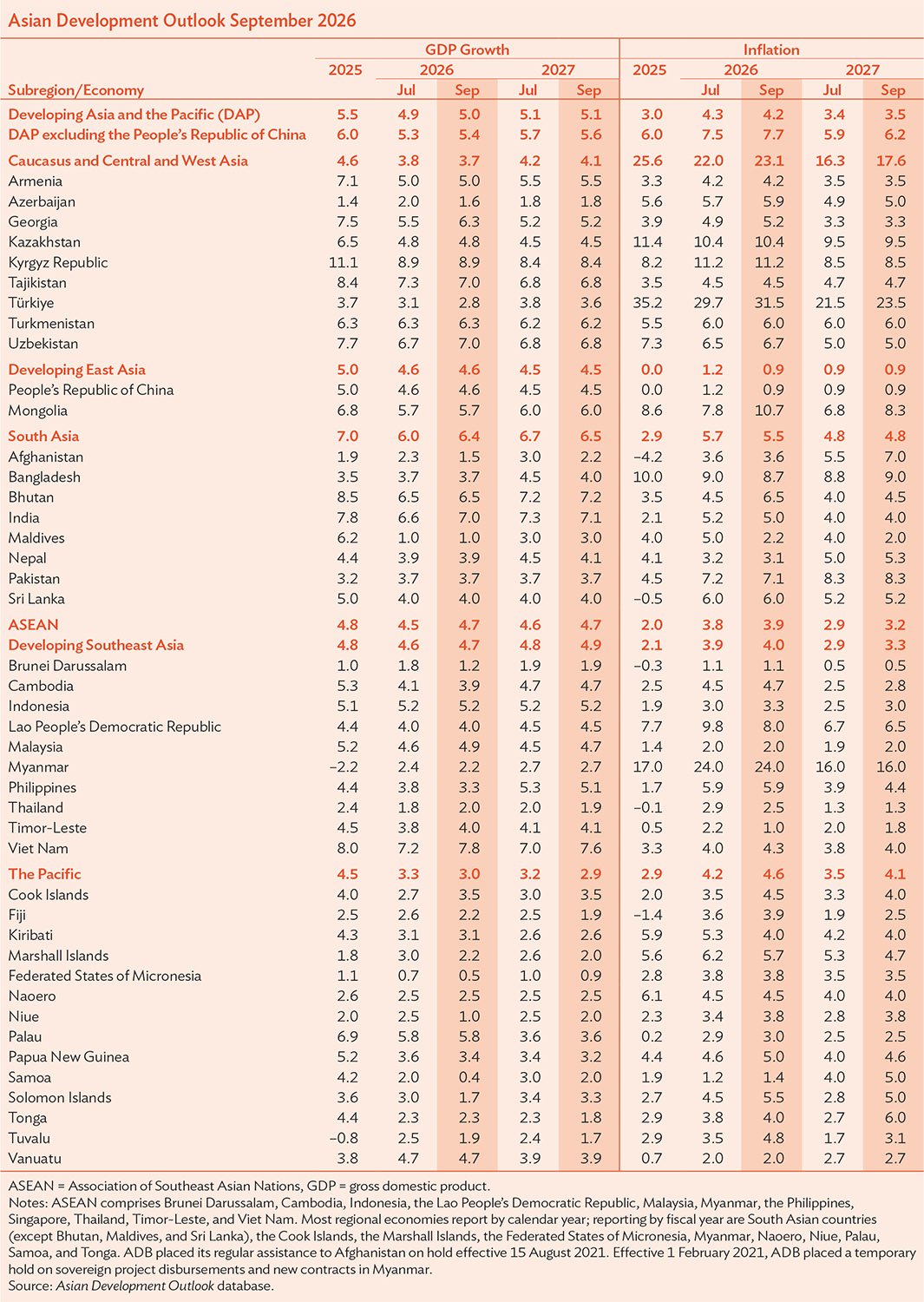
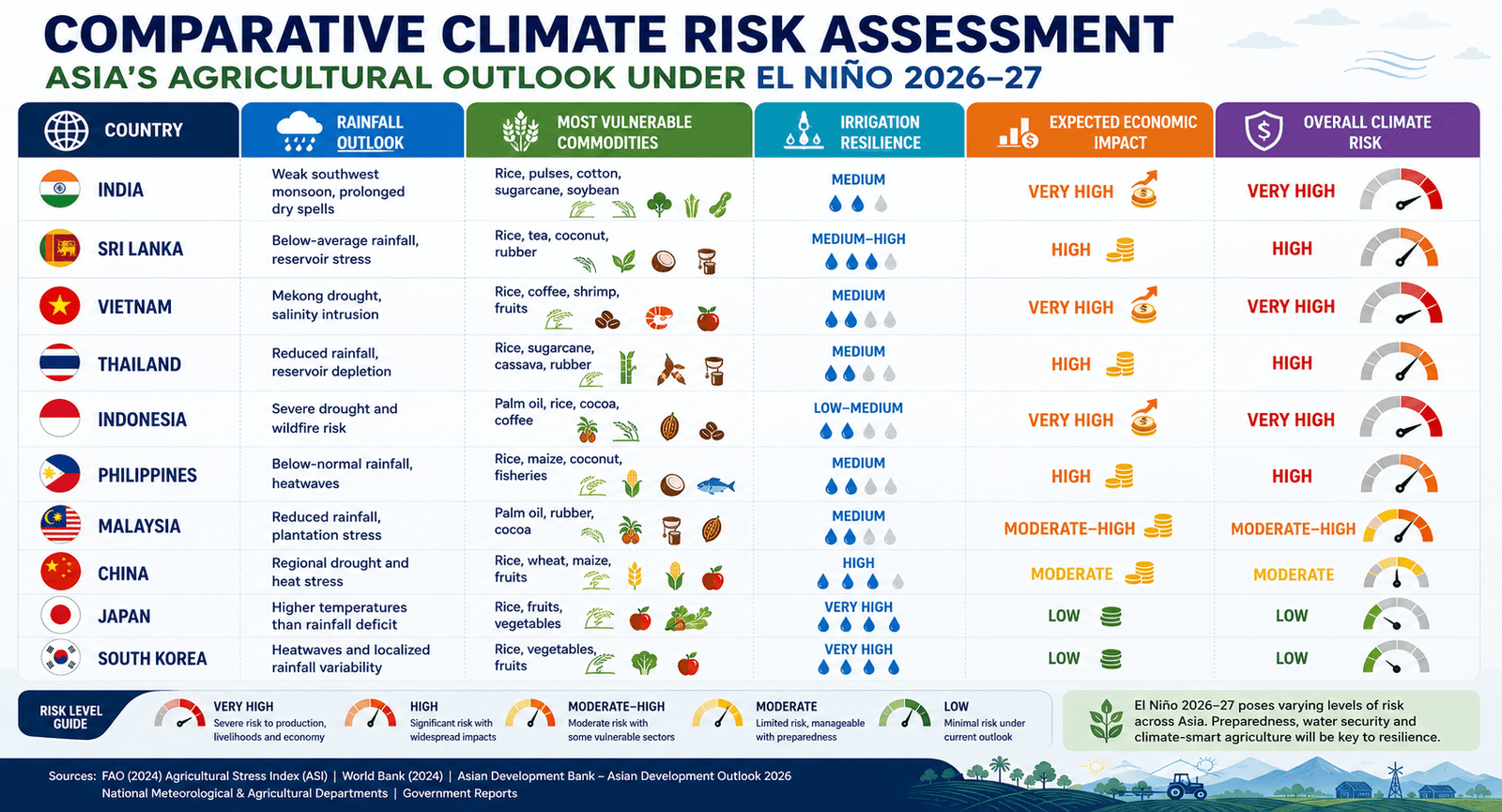
Across ASEAN, South Korea, Australia, and New Zealand, poultry systems vary in scale and integration—but are they all now exposed to a single shared vulnerability: imported feed inflation driven by energy-linked commodity pricing?
Feed costs are certainly one of the major areas affected by energy-linked commodity prices, and they can account for up to 60 per cent of total poultry production costs. However, the degree of exposure varies from country to country, depending on the extent to which individual markets rely on imported feed ingredients.
In the near term, countries with stronger domestic feed production capabilities may be relatively less affected by international disruptions. However, they are not completely insulated. Over time, higher fertilizer prices and increases in the cost of other agricultural inputs can also raise the cost of producing feed domestically. Therefore, even markets with stronger domestic feed capacity can eventually feel the effects of broader global cost pressures.
To what extent is poultry health management—vaccines, diagnostics, and biologics—becoming a second inflation channel in addition to feed, as pharmaceutical supply chains tighten under global freight and energy stress?
Poultry health management costs can increase as a result of higher transportation expenses, cold-chain requirements and the overall cost of delivering veterinary services. However, compared with feed, animal health generally represents a smaller proportion of total poultry production costs. At the same time, poultry health management should not be overlooked simply because it represents a smaller cost component. Reducing investment in disease prevention and control can ultimately have much more serious consequences for producers. Disease outbreaks can result in higher mortality, poorer flock performance and increased production costs.
Maintaining strong vaccination, biosecurity and disease-management programmes therefore remains essential for sustainable poultry production. In an environment where producers are already facing cost pressures, maintaining flock health is critical to ensuring that production efficiency is not compromised.
Is the poultry trade across Asia-Pacific still best understood as a set of regional markets, or has it effectively become a synchronized system where shocks in energy corridors instantly transmit into protein pricing across continents?
The poultry trade continues to differ significantly from one country to another. Some countries are net exporters of poultry products, while others are net importers. Although disruptions in major energy corridors can affect producers across global markets, the nature and magnitude of the impact are not necessarily the same in every country.
For example, poultry producers operating advanced climate-controlled housing systems may face higher operating costs when energy prices increase. However, electricity tariffs, production systems and market structures vary significantly between countries. As a result, an increase in energy costs does not automatically translate into a corresponding increase in poultry or protein prices for consumers in every market. The ability of individual markets and producers to absorb or manage these cost increases depends on their specific production structures, operating environments and overall efficiency.
In highly import-dependent markets like South Korea and parts of ASEAN, is poultry affordability increasingly determined not by domestic production efficiency but by external geopolitical risk embedded in feed and input pricing?
Countries that are more dependent on imported feed ingredients are naturally more exposed to fluctuations in feed costs arising from external developments. However, this makes domestic production efficiency even more important, rather than less important. Good farm management, strong biosecurity and effective vaccination programmes can help improve feed conversion and overall flock performance. When birds remain healthy and productive, producers are able to make better and more efficient use of available feed resources.
Therefore, even when external geopolitical factors create pressure on feed and other input costs, maintaining strong production efficiency can help producers manage those pressures and support both production and affordability.
Australia and New Zealand are often considered more resilient due to domestic feed capacity—does the current global shock validate that assumption, or are even these systems now structurally exposed through imported veterinary inputs and energy-linked logistics?
Australia and New Zealand may be relatively better positioned in the short term because of their domestic feed production capacity. However, this does not mean that they are completely insulated from global developments.
There is still exposure to increases in veterinary input costs, logistics expenses and broader supply-chain pressures. Even where feed can be produced domestically, other components of the production system remain connected to global markets.
Furthermore, while feed remains the largest cost component in poultry production, increases in fertilizer prices and the cost of other agricultural inputs could eventually have a flow-on effect on the cost of domestic feed production. Therefore, domestic feed capacity provides a degree of resilience, but it does not eliminate exposure to wider global supply-chain and cost pressures.
As feed and poultry health costs rise simultaneously, are producers globally being forced into a structural consolidation cycle that favors vertically integrated agribusiness players over independent growers?
With rising costs, the situation favours poultry production systems that are able to manage output efficiency most effectively. Integrators are likely to have an advantage when it comes to managing feed-related costs because of their scale and ability to coordinate different parts of the production system.
However, independent growers can also have an advantage in terms of agility. They may be able to adapt more quickly to changes in market conditions and modify their production strategies accordingly. Ultimately, success is not determined solely by whether a producer is vertically integrated or independent. It depends on how effectively producers manage flock health, production efficiency and overall operating costs in a changing environment.
How significant is the role of maritime insurance premiums and freight volatility—rather than actual feed shortages—in reshaping poultry trade flows between exporting hubs like Australia/New Zealand and importing ASEAN economies?
Maritime insurance premiums and freight-market dynamics are outside my area of expertise, so I would defer to logistics and trade specialists on their specific significance and impact on regional poultry trade flows. From a poultry producer's perspective, however, reliable access to feed ingredients, animal health tools and stable supply chains remains a key consideration. Any factor that affects the movement and availability of these inputs can influence production planning and market dynamics.
For producers, therefore, the broader issue is ensuring that critical inputs remain reliably accessible and that supply chains are sufficiently stable to support continuous production.
Is the Asia-Pacific poultry ecosystem entering a phase where biosecurity, feed security, and energy security are converging into a single integrated risk framework rather than separate policy domains?
Biosecurity, feed security and energy security are interconnected elements of poultry production. A disruption in feed or energy security can put production and biosecurity at risk, particularly when it affects the ability of producers to maintain effective disease-control and prevention measures. Likewise, disease challenges can reduce production efficiency and increase costs. Poor flock health can affect productivity and feed utilisation, creating additional pressure at a time when producers may already be dealing with higher input costs.
For this reason, these risks should not be viewed in isolation. Maintaining resilience across feed supply, energy availability and disease prevention is important for the overall sustainability and efficiency of poultry production.
At what point does poultry shift from being treated as a commodity market into a strategic food security asset across ASEAN, South Korea, Australia, and New Zealand—requiring coordinated regional buffers for feed, veterinary inputs, and trade stability?
Poultry meat and eggs remain among the most affordable and accessible sources of protein across many countries in the region. For that reason alone, poultry plays an important role in food security and is already much more than just another commodity.
We are also seeing greater attention being given to strengthening domestic production capabilities and reducing vulnerabilities within food and agricultural supply chains. This is particularly important during periods of uncertainty, when disruptions can affect the availability and cost of critical inputs. Regional cooperation, transparency and greater alignment among stakeholders can help support a stable supply of feed ingredients, animal health resources and poultry products for consumers. Strengthening these areas will be important in ensuring that poultry continues to provide an affordable and reliable source of protein across the region.
-- Suchetana Choudhury (suchetana.choudhuri@agrospectrumindia.com)