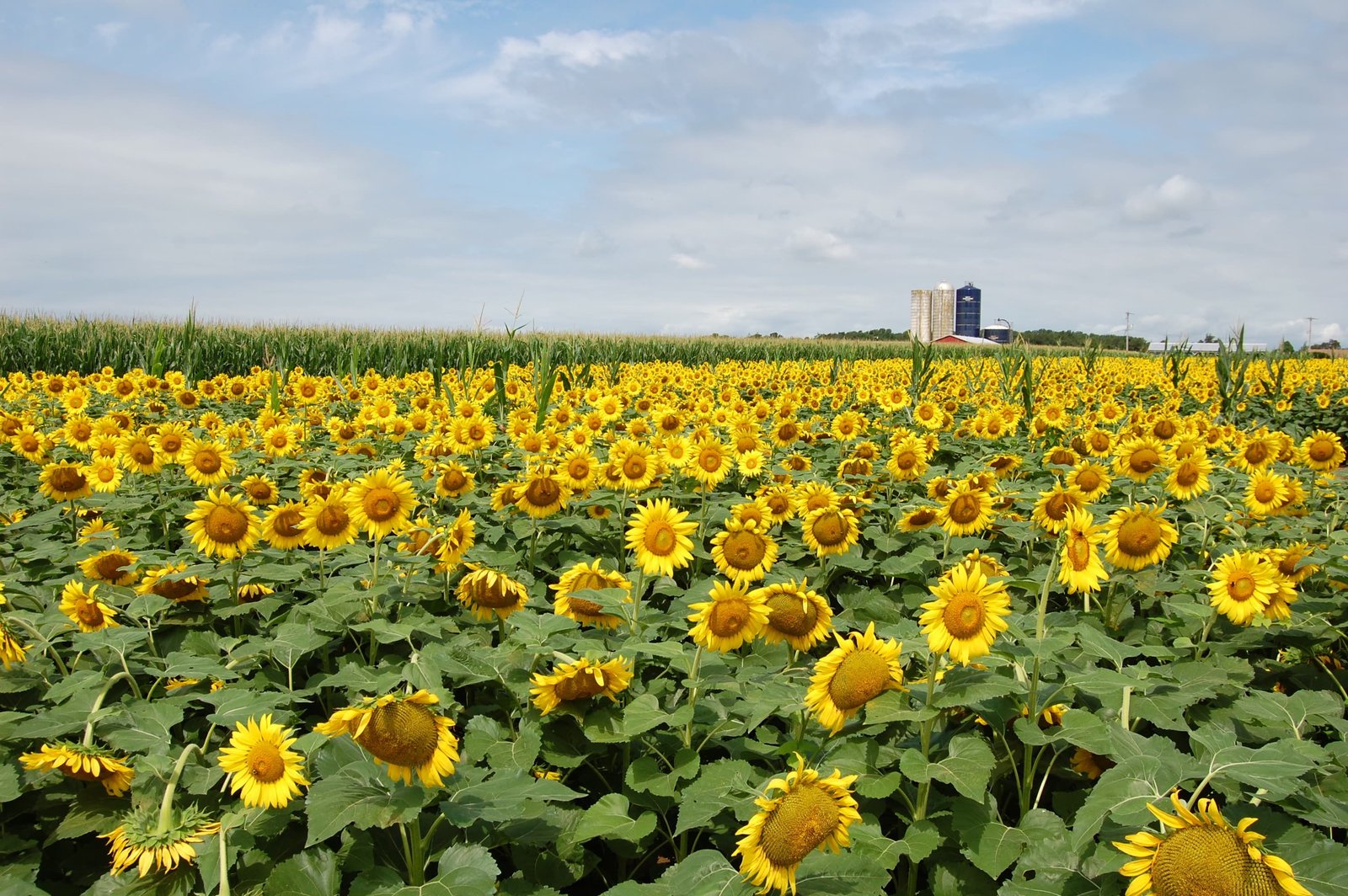
The European Union is on course for its largest sunflower seed harvest in three years, with the European Commission forecasting 2026 production at slightly more than 9.5 million tonnes as an expansion in planted area combines with improved yields.
The forecast represents an increase of more than 9 per cent from 2025 and would give the EU its strongest sunflower harvest since 2023. The latest projection also broadly confirms the Commission's earlier April estimate, pointing to a significant recovery in European sunflower production after weaker harvests in recent years.
The improvement is being driven by both acreage and productivity. EU sunflower cultivation is estimated to have expanded by around 5 per cent in 2026 to approximately 4.9 million hectares. Average yields are projected at about 19.5 decitonnes per hectare, up from 18.7 decitonnes per hectare in 2025 and well above the 17.4 decitonnes per hectare recorded in 2024.
Romania is expected to retain its position as the EU's largest sunflower producer despite a reduction in planted area to approximately 1.1 million hectares. Improved yields are forecast to lift Romanian production slightly to around 2.2 million tonnes, compared with approximately 2.1 million tonnes a year earlier.
Bulgaria is also strengthening its position in the European sunflower market. With production expected to approach 2.1 million tonnes, the country is projected to rank second among the EU's major sunflower producers in 2026. The country's strong harvest outlook highlights the continued importance of southeastern Europe to the bloc's oilseed supply.
Germany is recording a particularly notable expansion in sunflower cultivation. According to research by Agrarmarkt Informations-Gesellschaft, German farmers have increased sunflower acreage for the second consecutive year, with the area reaching approximately 98,000 hectares. That would represent the country's largest sunflower cultivation area on record.
The expansion in German sunflower acreage has its roots partly in the changes to cropping patterns that followed the outbreak of war in Eastern Europe in 2022. Farmers substantially increased sunflower cultivation at that time, and the crop has continued to gain ground as producers look to diversify rotations and introduce additional summer crops.
Germany's 2026 sunflower harvest is expected to reach approximately 222,000 tonnes, an increase of around 79,000 tonnes from 2025. However, the country's yield outlook remains constrained by weather conditions, with heat stress and water shortages weighing on the productivity potential of oilseed crops.
The Union zur Förderung von Oel- und Proteinpflanzen has pointed to crop-rotation diversification as an important factor behind the continued expansion of sunflower cultivation in Germany. The crop offers farmers another summer-grown option within rotations and has consequently attracted greater interest in recent seasons.
France presents a contrasting picture. While the European Commission expects French sunflower production to reach nearly 1.5 million tonnes, around 60,000 tonnes above the 2025 harvest, the increase is largely attributable to a substantial expansion in planted area rather than stronger yields.
French sunflower acreage is estimated to have risen by approximately 11 per cent in 2026. However, persistent drought and repeated heat waves during the summer have adversely affected crop development and yield potential. As a result, the larger cultivated area is expected to compensate for only part of the decline in productivity.
The contrasting performances across major producing countries highlight the growing influence of weather conditions on Europe's oilseed production. While improved yields in parts of the EU are supporting a larger overall harvest, drought and heat remain significant risks in several key production regions.
Nevertheless, the projected EU harvest of more than 9.5 million tonnes marks a significant improvement for the bloc's sunflower sector. The combination of higher acreage and a return to yields above the long-term average is expected to strengthen the region's domestic sunflower seed supply and reinforce the crop's role within Europe's wider oilseed market.