
Jord BioScience has launched 9311, its first commercially available biostimulant, bringing to market a microbial technology designed to work with existing soil microbial communities rather than treating individual microorganisms in isolation.
The company said three years of field trials across a broad range of growing conditions showed an average soybean yield advantage of 2.6 bushels per acre compared with elite industry-standard seed treatments and biological products. The trials also recorded a 79 per cent win rate across the tested environments, positioning 9311 as the first commercial product from Jord BioScience's developing biologicals platform.
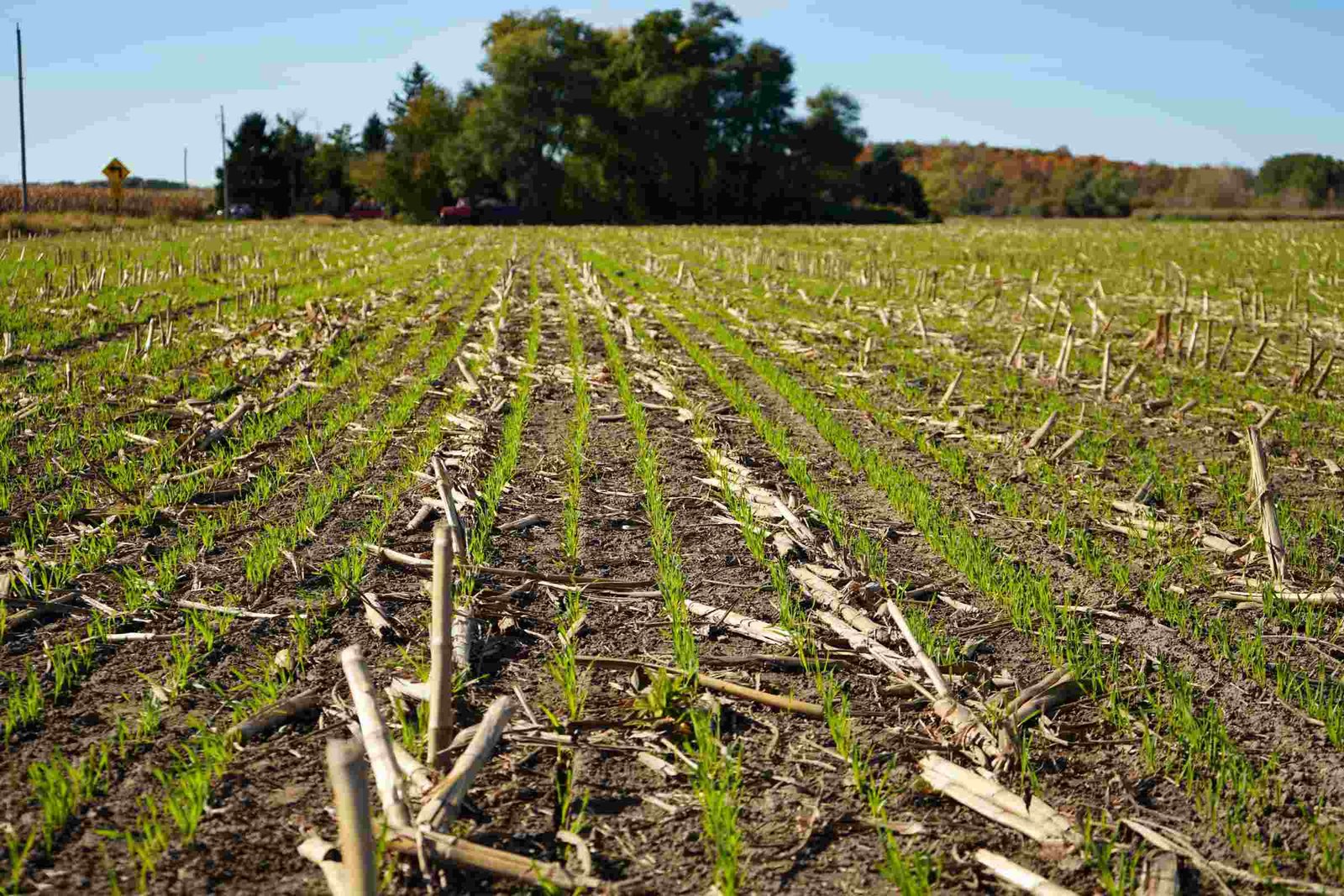
The field programme covered low-, medium- and high-yield environments across three contrasting growing seasons. Trials conducted during a dry season in 2023, a wet season in 2024 and mixed conditions in 2025 were designed to assess the consistency of the technology under different levels of environmental stress.
In addition to yield performance, 9311 produced a 30 per cent increase in early-season biomass compared with the company's elite commercial treatment base. Commercial trials conducted in 2026 have continued to show early-season benefits, including improved emergence, nodulation and crop vigour.
The product is designed to fit within farmers' existing crop-input programmes rather than requiring a fundamental change in their production systems. Developed from microbial resources originating in the US prairielands, 9311 is intended to perform under conditions where crops face constraints related to nutrient availability and water stress while supporting establishment and performance throughout the growing season.
At the centre of the product is what Jord calls microbial activator technology. Instead of selecting microorganisms solely on the basis of what an individual strain can accomplish under controlled conditions, the company's approach evaluates whether a microbe can establish itself, persist and function within the complex biological environment of an agricultural field.
That environment includes existing soil microorganisms as well as crops, nutrients, fertilisers and crop-protection products. Jord's technology therefore treats the soil microbiome as an interacting ecosystem and seeks to identify microbial candidates capable of functioning within that ecosystem.
The company's discovery platform is built around a proprietary collection of more than 6,500 microbial isolates assembled and curated over three decades. Jord uses this library as the foundation for identifying biological candidates with characteristics suited to real-world agricultural environments.
Dr. Keri Carstens, President and CEO of Jord BioScience, said consistent performance across regions and seasons will be critical to the wider adoption of biological products. She said 9311 is designed to deliver measurable early-season benefits and yield improvements rather than simply match conventional treatment performance.
Dr. Linda Kinkel, Founder and Chief Science Officer of Jord BioScience, said agricultural soils already contain established microbial communities and that introduced microorganisms must operate within those ecosystems. She said Jord's ecology-guided approach focuses on whether a microbe can survive and perform effectively in the environment where it is ultimately deployed.
The commercial launch marks the first step in Jord BioScience's broader product strategy. The company said additional products are in development based on microbial leads from its innovation pipeline, with candidates targeting different agricultural applications and production environments.
Jord is also working with companies across the agricultural input industry on customised microbial discovery programmes. Partnerships with seed, fertiliser and crop-protection companies are intended to identify microbial solutions that complement existing product portfolios rather than operate as standalone technologies.
For the biologicals sector, the commercialisation of 9311 reflects a growing emphasis on consistency and field-level performance. As farmers increasingly evaluate biological products alongside established inputs, technologies that can demonstrate repeatable results across variable environments could become more important to the next phase of agricultural biologicals adoption.
Jord BioScience's 9311 is now available to commercial partners, while the company continues to expand its pipeline of microbial technologies aimed at improving crop performance through a deeper understanding of soil ecology.