
Poland's Hynfra and Jordan's Fidelity Group have signed a binding investment agreement to jointly develop a 120,000-tonne-per-year green ammonia plant in Aqaba, marking a significant step in Jordan's ambitions to become a regional hub for low-carbon fuels and sustainable industrial products.
The project is expected to become one of the most advanced green ammonia developments in the Middle East and will primarily cater to European customers seeking low-carbon ammonia for fertiliser production and emerging energy applications.
The joint venture has already received a major regulatory boost, with Jordan's Council of Ministers approving the agreement earlier this year, providing a supportive framework for the project's development. Denmark-based engineering company Topsoe has been appointed to lead the front-end engineering and design (FEED) work, a critical phase in preparing the project for execution and financing.
The proposed facility will produce green ammonia using renewable electricity to power electrolysers that generate hydrogen from water. The hydrogen will then be combined with atmospheric nitrogen to produce ammonia without the carbon emissions associated with conventional ammonia production.
The project's location in Aqaba offers a significant logistical advantage. Situated on the Red Sea, the city provides direct access to European markets while creating an export corridor that bypasses the Persian Gulf. The route has gained strategic importance amid ongoing disruptions to shipping through the Strait of Hormuz, prompting buyers and developers to explore alternative supply chains for energy and industrial commodities.
The Aqaba development further expands Hynfra's growing portfolio of green ammonia projects, which already includes initiatives in Egypt, Mauritania and Ukraine. The company has been actively pursuing opportunities to build an international platform for low-carbon ammonia production aimed at supporting the global energy transition and decarbonisation of hard-to-abate industries.
While the partners have not yet announced a construction timeline or final investment decision, the project will need to secure financing and commercial arrangements before moving into the execution phase. Industry observers note that financing costs remain one of the biggest challenges facing large-scale green hydrogen and ammonia projects globally, particularly as developers seek to bridge the cost gap between low-carbon and conventional production methods.
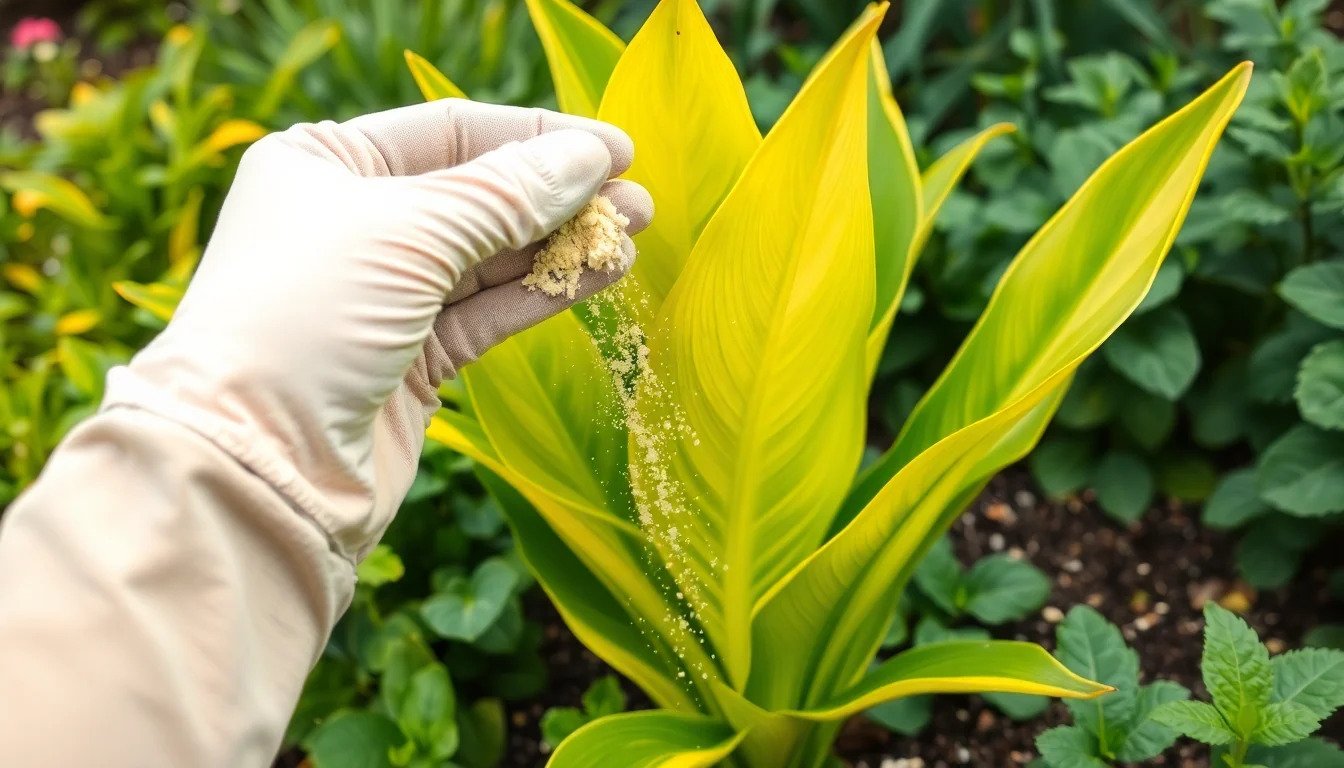
Despite these challenges, the Aqaba project underscores growing momentum behind green ammonia as both a sustainable feedstock for fertiliser production and a potential energy carrier for international markets. By combining Jordan's renewable energy potential with strategic access to export markets, the development is expected to strengthen the country's position in the emerging global hydrogen economy.