SAS, a global leader in data and AI, helped South African micro‑farmers improve crop decisions, increase income potential and strengthen food security through a Data for Good initiative that applies advanced analytics to some of the world's most resource‑constrained farming environments.
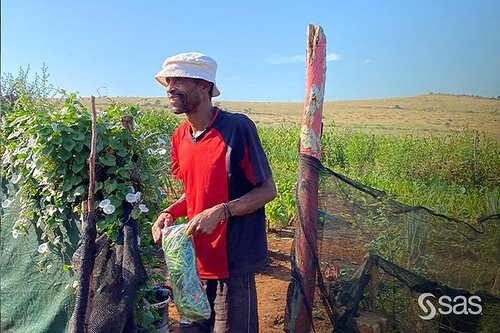
Through a collaborative project with dataDecisions.ai and The Dream, SAS analysed seasonal crop, growth‑cycle and market pricing data from micro‑farms located near South Africa's Cradle of Humankind. This is a UNESCO World Heritage region where farmers often grow food in small plots adjacent to homes and informal settlements, with limited access to technology, financing or reliable markets.
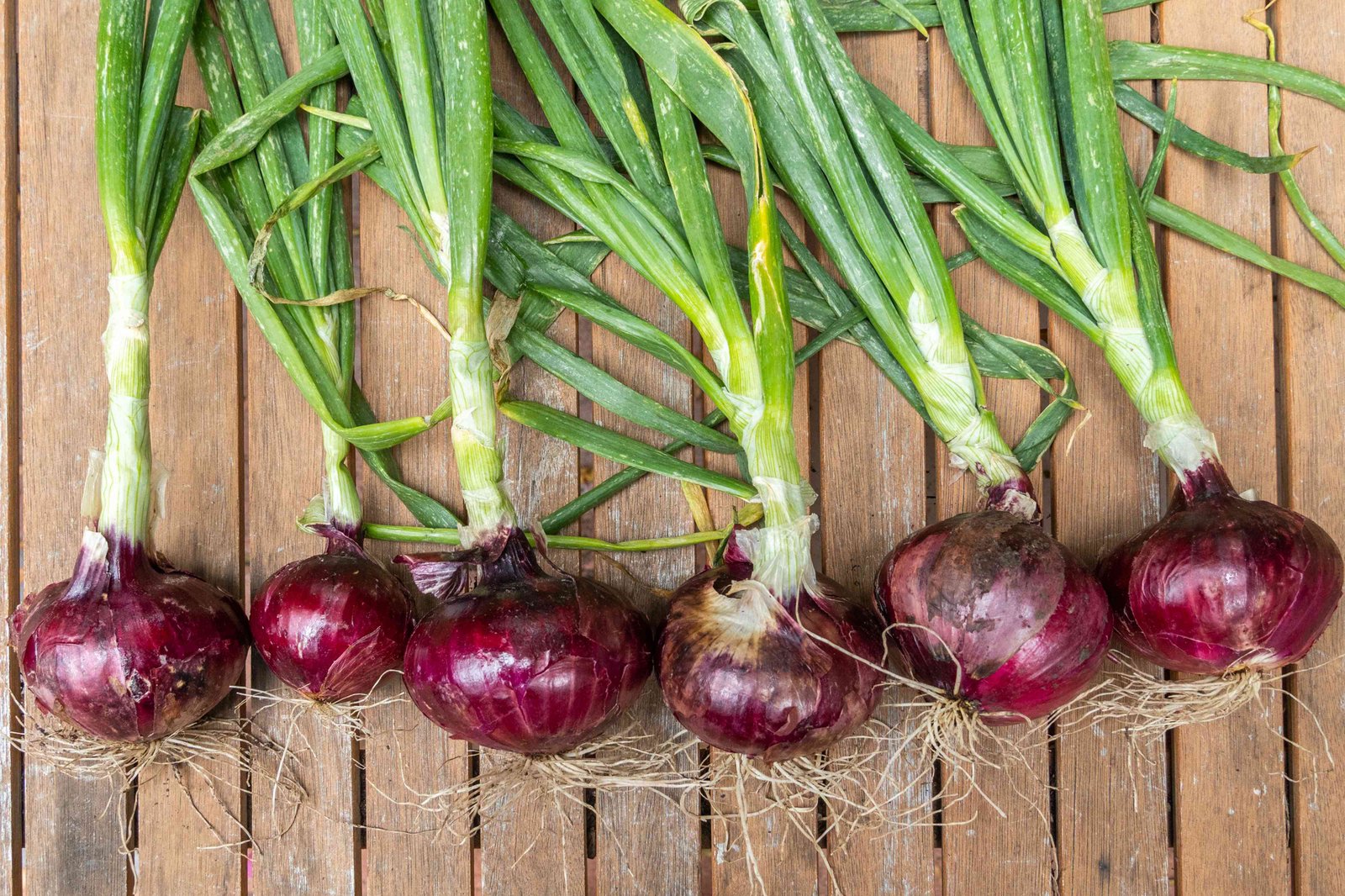
SAS applied analytics to help the region's micro‑farmers determine which crops to grow, when to grow them and in what quantities to maximise yield and economic return under constrained conditions. The analysis examined crop performance across four seasons, factoring in growth periods, yield variability and market selling prices.
By identifying more profitable and resilient crops, micro‑farmers could reduce guesswork, prioritise limited resources like water and labour, and make more informed planting decisions without requiring expensive sensors or digital infrastructure.
Unlike commercial agriculture, micro‑farming in this region directly supports household survival and community nutrition. Many farmers face unstable yields and limited access to buyers or pricing information, making data‑driven insight especially impactful.
The project's findings help create a pathway from informal growing to more predictable income and market participation, reinforcing micro‑farmers' role as essential contributors to local food systems rather than peripheral producers.
"Food security will not be solved by commercial agriculture alone. If we are serious about building a more resilient food system, micro-farmers must be treated as essential contributors to the formal economy, not as an afterthought," said Hadley Christoffels, founder of dataDecisions.ai. "They are producing food where hunger is most immediate, yet too often they do so without the data, insights and decision support needed to make every resource count."