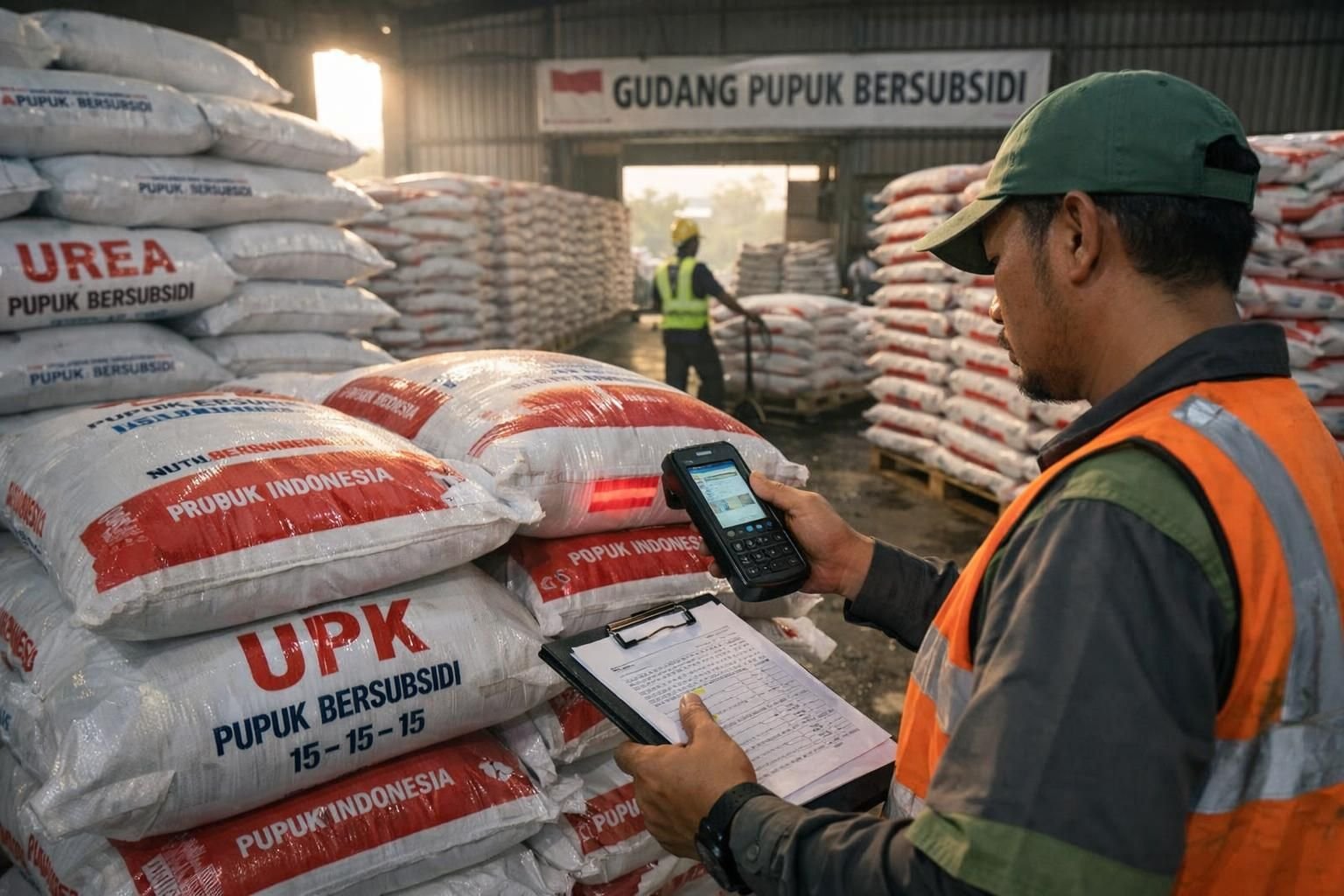
Indonesia's state-owned fertiliser producer, Pupuk Indonesia, is stepping up efforts to expand its presence in South Asia, holding discussions with India and Bangladesh on potential urea supply agreements as global buyers increasingly seek supply sources outside the Persian Gulf.
The move comes at a time when disruptions to shipping routes linked to the Gulf region have heightened concerns over fertiliser supply security and prompted importers to diversify sourcing strategies. Indonesia, with its large production base and shipping routes that are largely insulated from tensions around the Strait of Hormuz, is positioning itself as a reliable alternative supplier for Asian markets.
The discussions with India and Bangladesh follow the successful delivery of a 47,250-tonne urea cargo to Australia under a government-to-government arrangement. Having fulfilled Australia's seasonal demand requirements, the company is preparing to redirect part of its export volumes to other markets in the region as agricultural planting cycles shift.
Pupuk Indonesia currently has an annual production capacity of 14.8 million tonnes and plans to produce 7.8 million tonnes of urea in 2026. Domestic demand is estimated at around 6.3 million tonnes, leaving more than 1.5 million tonnes available for international markets. The production surplus provides the company with the flexibility to respond to emerging demand from importing countries and adjust export allocations according to seasonal requirements.
Indonesia's role in the global urea trade has expanded steadily over the past two years. The country exported 1.72 million tonnes of urea in 2025, up from 1.41 million tonnes in 2024, reflecting both higher production and growing demand for non-Gulf supply origins.
According to the company, four countries are currently engaged in discussions regarding Indonesian urea supplies, representing combined demand of more than 750,000 tonnes. The producer has indicated that it can shift cargoes between markets depending on planting schedules and regional demand patterns, allowing it to serve multiple destinations across the Asia-Pacific region.
For India, one of the world's largest fertiliser importers, Indonesia's growing export availability could provide an additional source of supply at a time when the country is seeking to strengthen fertiliser security and reduce vulnerabilities arising from geopolitical disruptions. Bangladesh, which also relies heavily on imported fertilisers to support agricultural production, stands to benefit from access to a geographically diversified and potentially more resilient supply chain.
Indonesia's competitive advantage stems not only from its production surplus but also from its feedstock profile. The country's urea production is based on domestically sourced natural gas, reducing its exposure to international gas market volatility compared with several other exporting nations. Coupled with shipping routes that largely avoid the conflict-prone Persian Gulf transit corridor, Indonesian fertiliser exports are increasingly being viewed as a dependable option for buyers seeking greater supply resilience.
As geopolitical risks continue to reshape global fertiliser trade flows, Pupuk Indonesia is positioning itself as a regional supply anchor, leveraging its production capacity, logistical advantages and export flexibility to capture a larger share of the Asian urea market.