Vietnam is looking to accelerate the development of hybrid maize varieties adapted to the country’s Northern Midlands and Mountainous Region, where challenging terrain, climate risks, rain-dependent farming and limited mechanisation continue to constrain productivity and farmer incomes.
The strategy was outlined by Dr Nguyen Xuan Thang, Director of the Maize Research Institute, during the 14th Asian Maize Conference in Chengdu, China. Held from August 14–18 under the theme “Advancing Scientific and Technological Innovation to Address Climate Change,” the conference brought together agricultural research institutions and experts to examine technology-led responses to climate and production challenges. For Vietnam, the focus is increasingly shifting from simply increasing maize yields to developing a complete production and value-chain model suited to the region’s diverse ecological conditions.
Northern region holds major maize potential
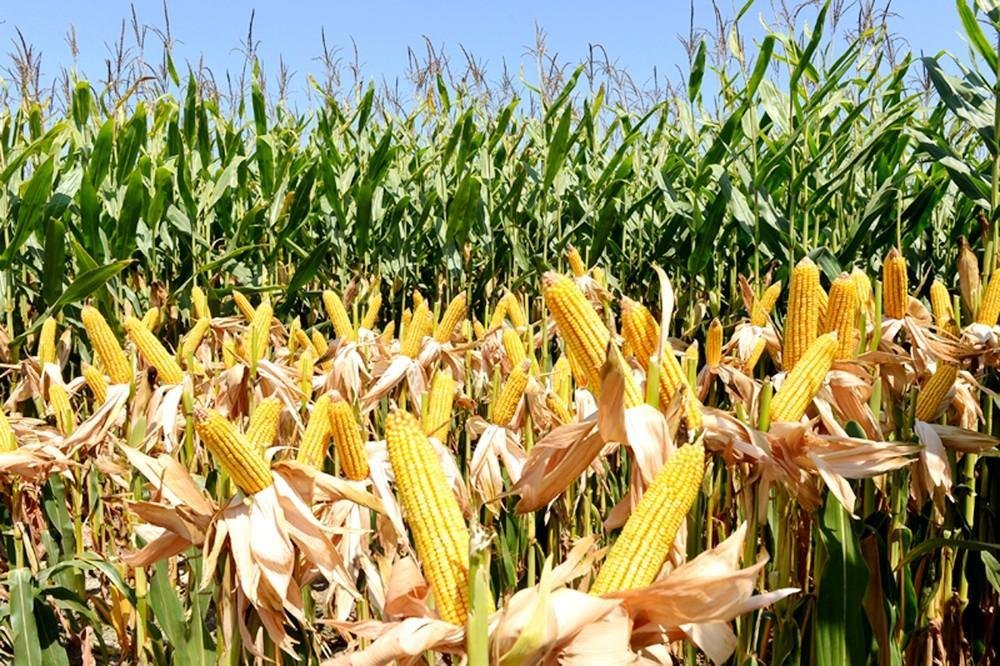
The Northern Midlands and Mountainous Region covers nearly 117,000 square kilometres, equivalent to about 35 per cent of Vietnam’s land area, and is home to more than 13 million people. The region is also central to Vietnam’s maize production. More than 406,000 hectares are planted with maize, representing approximately 45.8 per cent of the country’s total maize area and producing around 1.68 million tonnes.
Yet the scale of production has not translated into comparable economic returns. A large share of maize cultivation remains dependent on rainfall, leaving farmers exposed to increasingly unpredictable weather patterns. Climate change is adding heat, drought and other stresses, while difficult terrain limits the adoption of conventional farm machinery.
The region’s economic indicators also underline the challenge. In 2022, average GRDP per capita stood at VND63 million, compared with a national average of VND95.6 million, equivalent to approximately $4,110. These structural constraints have made it difficult to build a consistent, market-oriented maize industry capable of competing with imported maize and alternative higher-value crops.
Breeding strategy shifts towards climate resilience
The Maize Research Institute is advocating a breeding programme built around the ecological diversity and climate risks of the northern region. Rather than pursuing yield gains alone, the proposed approach would focus on developing hybrids with stronger tolerance to heat, drought and high-temperature conditions while maintaining productivity under intensive and difficult mountainous farming systems.
The institute is targeting yields of 10–12 tonnes per hectare for intensive production and 5–7 tonnes per hectare under more challenging mountainous conditions. The breeding pipeline could also be expanded beyond conventional grain maize to include biomass and food-oriented varieties, creating opportunities to generate greater value from different segments of the maize supply chain.
Research infrastructure becomes critical
The proposed breeding strategy will require greater investment in scientific infrastructure and specialist skills. The Maize Research Institute has developed 108 officially recognised crop varieties, including 69 varieties that have received official or national recognition. Some of its varieties have been licensed to companies for between $150,000 and $300,000 per variety. Institute-developed genetics currently account for approximately 21.1 per cent of Vietnam’s hybrid maize seed market.
To increase this contribution, the institute is calling for greater capacity in advanced breeding technologies, including gene technologies, molecular markers and cell-based technologies. Greater access to these tools could shorten breeding cycles, improve the precision of trait development and allow new varieties to be matched more closely with specific production environments.
From one-size-fits-all to regional production systems
A major component of the proposed strategy is the development of variety packages and production protocols tailored to individual climatic sub-regions. Such packages would integrate genetics with recommendations covering planting dates, land preparation, seeding rates, crop nutrition, crop management, harvesting and storage.
This approach could help address one of the region’s key challenges: the wide variation in terrain and growing conditions across the Northern Midlands and Mountainous Region. Improving plant density, nutrition management, harvest timing and post-harvest handling would also be important for raising productivity while reducing production losses and costs.
Mechanisation could unlock productivity
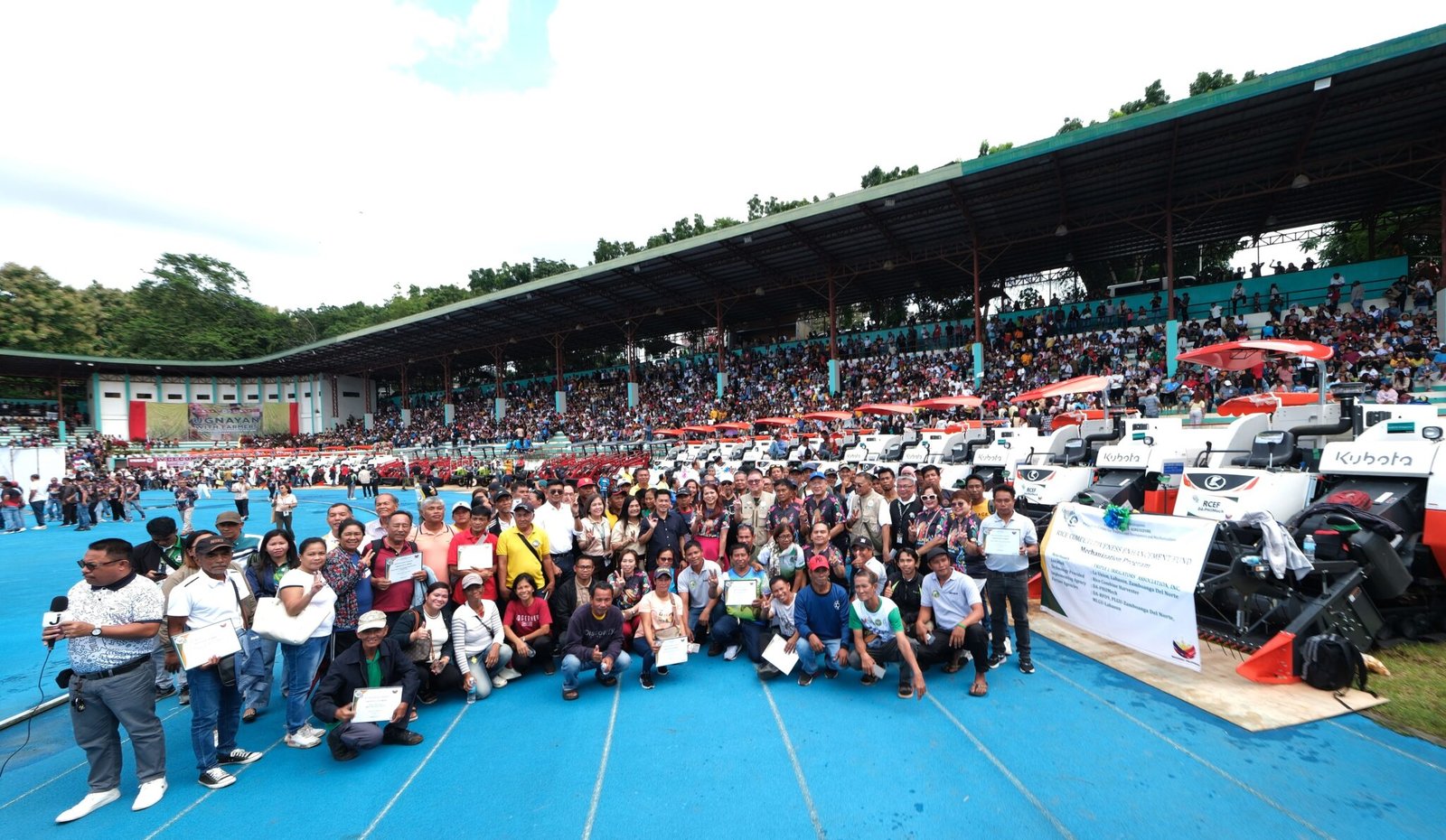
Mechanisation is another major pillar of the proposed transformation. The region’s complex terrain makes large-scale mechanisation difficult, but targeted machinery adapted to mountainous conditions could improve efficiency in harvesting, drying, processing and storage. Demonstrations at the Asian Maize Conference included compact and handheld harvesting equipment designed for challenging production environments.
Expanding mechanisation beyond field preparation and planting into post-harvest operations could reduce labour requirements, minimise losses and improve the quality of maize entering the market. For farmers operating on fragmented or difficult terrain, appropriately scaled machinery may offer a more practical route to mechanisation than conventional large farm equipment.
Irrigation and infrastructure remain bottlenecks
Water availability is another major constraint.
Approximately 80 per cent of maize-growing areas in the Northern Midlands and Mountainous Region remain dependent on rainfall. Greater investment in reliable irrigation could therefore reduce exposure to drought and improve the consistency of production. Transport infrastructure is equally important. Better connections between production areas, input suppliers, processors and markets could reduce logistics costs and make maize production more commercially attractive.
Investment in roads and rural logistics infrastructure would be particularly valuable in concentrated maize-growing zones where difficult terrain currently increases the cost of moving both agricultural inputs and harvested crops.
Building the value chain around farmers
The proposed transformation extends beyond genetics and farm technology. The Maize Research Institute is calling for stronger links between production areas, processors, buyers and distribution networks. Public-private partnerships could play a central role in developing large-scale processing facilities close to reliable raw-material supplies.
Such integration could give farmers more predictable markets while allowing processors to secure consistent volumes and quality. A stronger commercial model would also require mechanisms for sharing both profits and risks between producers and businesses. Moving away from short-term transactions towards longer-term partnerships could provide greater stability for both sides.
From maize production to maize economy
Vietnam’s northern maize challenge is ultimately a value-chain problem as much as a productivity issue. Better genetics can raise yields, but without irrigation, mechanisation, storage, processing infrastructure and dependable market linkages, higher production may not translate into higher farm incomes.
The strategy emerging from the Asian Maize Conference therefore combines climate-resilient breeding with location-specific agronomy, adapted machinery, improved water management and stronger commercial integration. For the Northern Midlands and Mountainous Region, the objective is not simply to produce more maize. It is to build a more resilient and competitive maize economy capable of generating greater value for farmers while adapting to increasingly difficult climate conditions.